Skip to content

Get ready to rethink everything you thought you knew about Colombia. This South American country is full of surprises. It has a unique mix of geography and culture that will amaze you. With over 50 million people, Colombia is special because it has coastlines on both the Pacific and Caribbean.
It also boasts the second-highest biodiversity in the world. You’ll discover 28 incredible facts that will change how you see this lively nation.
Key Takeaways
- Colombia is home to the world’s second-highest biodiversity, surpassed only by Brazil.
- The country features a diverse geography that includes Caribbean beaches, Andean peaks, Amazon rainforest, and unique desert landscapes.
- Colombia is renowned for its exceptional coffee culture, with multiple distinct coffee-growing regions and traditional cultivation methods.
- Medellín, once known for its violence, has undergone a remarkable transformation into a hub of innovation and urban development.
- Colombia’s cultural traditions and festivals, from the Carnival of Barranquilla to religious celebrations, showcase the nation’s rich heritage.
A Journey Through Colombia’s Geographic Diversity
Colombia is a country full of amazing natural wonders. It has everything from beautiful Caribbean beaches to high Andean peaks. The landscapes are a feast for the senses.
From Caribbean Beaches to Andean Peaks
Imagine walking on the Caribbean’s blue waters and then climbing to the Andes. The mountains there are incredible. Colombia geography is full of contrasts, from the coast to the mountains.
This mix of landscapes makes Colombia a paradise for nature lovers and adventurers.
The Amazon Rainforest Connection
The eastern parts of Colombia are home to the Amazon Rainforest. It’s the world’s biggest tropical rainforest. This place is full of rare animals, like jaguars and pink river dolphins.
Unique Desert Landscapes
Traveling south, you’ll find the Tatacoa Desert. It’s a place of red canyons and dry lands. This desert shows how diverse Colombia geography is, surprising travelers at every turn.
| Region | Highlights | Ecosystem |
|---|---|---|
| Caribbean Coast | Pristine beaches, vibrant culture | Tropical |
| Andes Mountains | Towering peaks, diverse wildlife | Alpine |
| Amazon Rainforest | Lush, verdant ecosystem, rare species | Tropical Rainforest |
| Tatacoa Desert | Ochre-hued canyons, arid landscapes | Desert |
“Colombia is a land of extraordinary contrasts, where the Caribbean meets the Andes, and the Amazon reaches into the heart of the nation. It is a tapestry of natural wonders waiting to be explored.”
Colombia Facts: Essential Guide for Visitors
Planning a trip to Colombia? Get ready with the basics. Learn about the local money, language, climate, and how to get around. This guide will make your Colombia tourism trip smooth and fun.
Currency and Payments
In Colombia, the money is the Colombian Peso (COP). You can use Visa, Mastercard, and American Express in big cities and tourist spots. Still, it’s smart to carry cash for small buys and tips.
Language and Communication
Spanish is the main language in Colombia. While some English is spoken, knowing Spanish will help a lot. It shows respect for the culture and makes your trip better.
Transportation
- Buses: Colombia’s bus system is great for traveling between cities. It’s cheap and comfy, with modern buses.
- Taxis: Taxis are easy to find in cities. Agree on the price before you start. You can also use ride-sharing apps.
- Domestic Flights: For long trips, flying is quick. Several airlines serve major airports in Colombia.
Safety Considerations
Colombia is safer now, but stay careful, especially in cities. Follow local advice, don’t walk alone at night, and check the safety before you go.
| Key Fact | Value |
|---|---|
| Time Zone | Colombia is in the UTC-5 time zone, the same as Eastern Standard Time in the United States. |
| Electricity | Colombia uses 110V, 60Hz electrical sockets, the same as the United States. Bring a universal adapter to ensure compatibility with your electronic devices. |
| Tipping | Tipping in restaurants is generally expected, with a 10% gratuity being the standard. Taxi drivers and other service providers do not expect tips, but rounding up the fare is appreciated. |
With this guide, you’re set for an amazing time in Colombia. Enjoy the culture, views, and friendly people. Your trip will be unforgettable.
The Rich Heritage of Colombian Coffee Culture
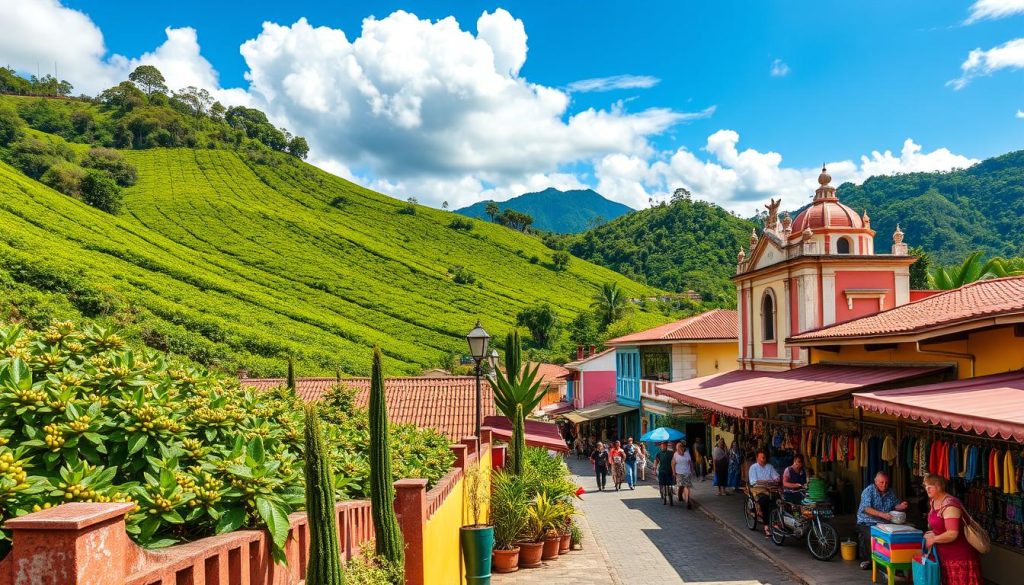
Colombia is famous for its amazing coffee, showing off the country’s rich culture and strong economy. The coffee industry has been key to Colombia’s culture and economy for many years. It has helped many farmers and coffee lovers around the world.
From Bean to Cup: Colombia’s Coffee Regions
The Coffee Triangle is at the heart of Colombia’s coffee making. It includes Caldas, Quindío, and Risaralda departments. This area is known for its top-quality Arabica coffee beans, each with its own taste and growing conditions.
- The Andes Mountains offer the perfect climate for coffee, with high altitudes, moderate temperatures, and plenty of rain.
- The Coffee Triangle is famous for its Bourbon, Caturra, and Castillo coffee types. These are loved for their balanced acidity, rich body, and complex smells.
- Other important coffee areas in Colombia are Nariño, Huila, and Antioquia. Each has its own special soil and cultural traditions.
Traditional Coffee Growing Methods
Coffee making in Colombia uses old methods passed down through generations. These methods make great coffee and help keep the land healthy.
- Manual harvesting: Farmers pick coffee cherries by hand to get only the ripest ones, keeping their flavors fresh.
- Wet processing: The beans are washed and fermented to remove the fruit’s outer layers, making the beans purer and more acidic.
- Sun-drying: The beans are dried in the sun, a hard but important step that gives the coffee its unique taste.
Coffee Tourism Experiences
Coffee tourism has grown, letting visitors dive into Colombia’s coffee culture. They can see the coffee farms, learn about making coffee, and even taste different types in cupping sessions.
| Coffee Tourism Experiences | Highlights |
|---|---|
| Coffee Plantation Tours | Guided walks through big coffee farms, learning how coffee is grown |
| Barista Workshops | Hands-on lessons in brewing and serving the perfect Colombian coffee |
| Cupping Sessions | Guided tastings to learn about the unique flavors of different coffee types |
Colombia’s coffee culture shows the country’s rich heritage and its ability to meet today’s needs. From the Coffee Triangle to the skilled roasters and baristas, Colombian coffee is a big part of the nation’s culture and economy.
Colombian Cuisine: A Feast of Flavors
Start a culinary journey through the lively and varied world of Colombian cuisine. Discover the famous bandeja paisa and the unique dishes from the Amazon rainforest. Colombia’s food scene is a mix of tradition, new ideas, and local favorites.
The core of Colombian culture is its rich food history. It’s shaped by the indigenous, African, and European influences. Street food vendors, or ventas de comida, are key in sharing the country’s favorite dishes. They offer a real taste of Colombia to everyone.
Try the ajiaco, a warm potato soup, or the bandeja paisa, a big plate with many foods. Don’t miss the Amazon’s exotic fruits like maracuyá and lulo.
And don’t forget aguardiente, Colombia’s national drink. It’s a key ingredient in many cocktails and celebrations. Whether it’s street food or a fancy meal, Colombian cuisine is a treat for your taste buds.
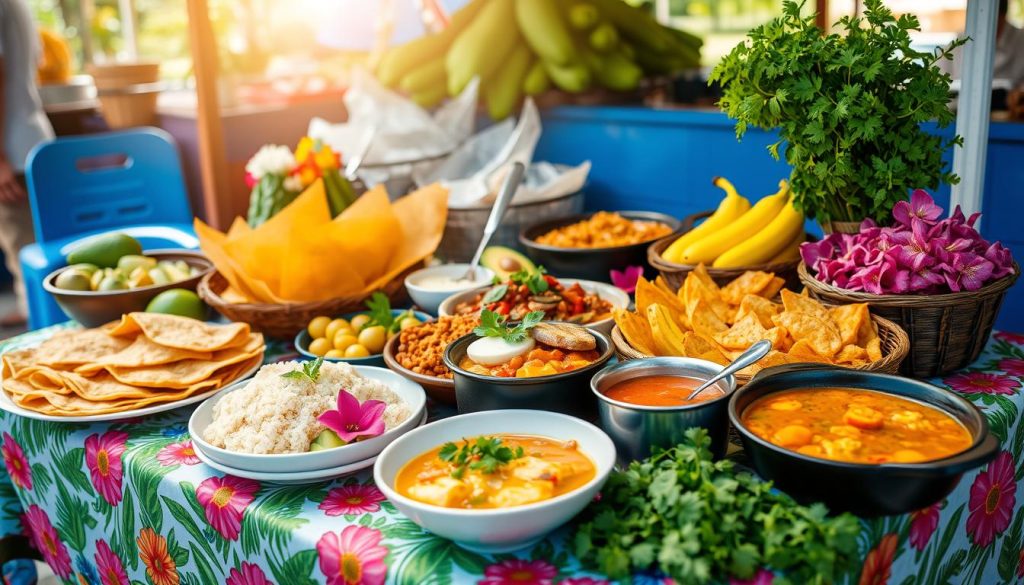
“Colombians don’t just eat food, they experience it. Each dish tells a story of the country’s rich cultural heritage and the passion of its people.”
Medellín’s Remarkable Transformation Story
Colombia’s history is filled with amazing changes, and Medellín is a prime example. Once plagued by troubles, this city has turned into a beacon of renewal. It’s now a top spot for colombia tourism.
Innovation and Urban Development
Medellín’s change started with fixing its infrastructure and planning. The Metrocable system, a global marvel, changed public transport. It linked distant areas, making the city more connected.
Creating parks and making streets friendly for walkers has also made Medellín better. It’s now a place where people and visitors enjoy living and visiting.
Cultural Renaissance
Medellín’s cultural scene has also flourished. It celebrates its colombia history and art through festivals, museums, and shows. The Flower Festival and street art draw artists and fans from everywhere.
Social Progress Initiatives
Medellín’s growth goes beyond buildings and culture. It’s made big steps in social progress. Programs to fight inequality, boost education, and build community have changed lives.
Medellín’s story shows the strength of hope, vision, and dedication to betterment. As colombia tourism grows, its transformation inspires and attracts visitors seeking real cultural experiences.
Biodiversity Paradise: Colombia’s Natural Wonders
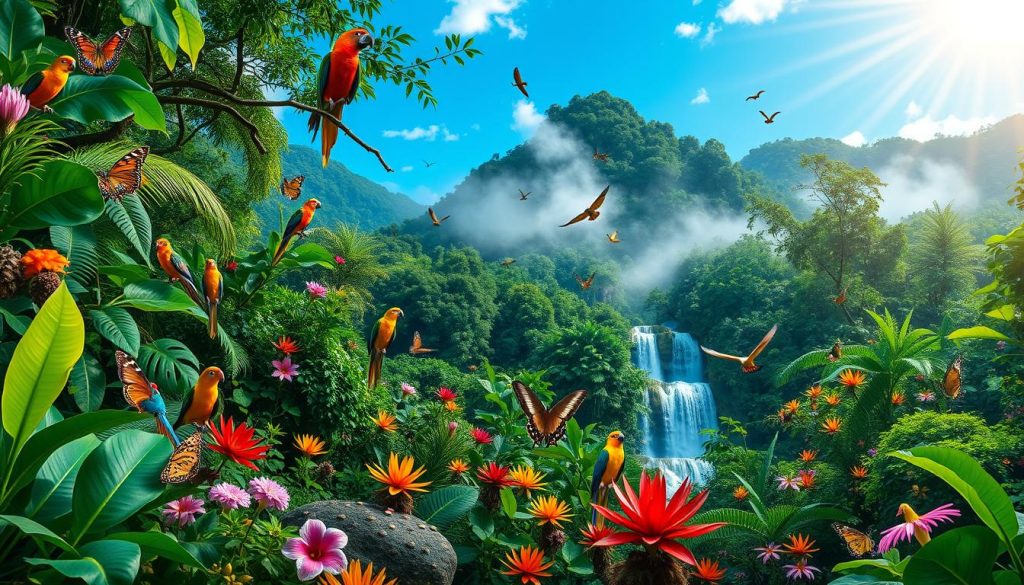
Colombia is a true gem in the crown of global biodiversity. It’s one of the most ecologically diverse countries in the world. This South American nation is home to an amazing array of flora and fauna. From the lush colombia biodiversity of the Amazon rainforest to the rugged colombia geography of the Andes Mountains, Colombia’s natural landscapes show the incredible power of nature.
One of Colombia’s most remarkable natural wonders is the elusive pink river dolphin. These unique aquatic mammals can be found swimming in the tranquil rivers of the Amazon basin. They captivate visitors with their vibrant hue and playful behavior. Colombia is also home to an incredible diversity of bird species, with over 1,900 different types of feathered friends calling this country home.
- The endangered spectacled bear, the only bear species found in South America, roams the Andean forests.
- The rare and beautiful Plumed Basilisk, also known as the “Jesus Christ Lizard,” can be spotted walking on water in certain regions.
- Colombia’s diverse ecosystems are a treasure trove of rare and endemic plant life, including the iconic wax palm, the national tree of Colombia.
“Colombia is a true biodiversity hotspot, a place where nature’s miracles unfold at every turn. Exploring this country’s natural wonders is a transformative experience that will leave you in awe of the incredible diversity of life on our planet.”
Whether you’re trekking through the lush jungles, marveling at the towering Andean peaks, or simply admiring the vibrant array of wildlife, colombia biodiversity and colombia geography are sure to leave a lasting impression. This is a country that truly celebrates the beauty and wonder of the natural world.
Cultural Traditions and Festivals
Colombia is a country full of cultural heritage. Its traditions and festivals show the diversity and spirit of its people. From the famous Carnival of Barranquilla to traditional dances and religious celebrations, exploring Colombia’s culture is an immersive experience.
Carnival of Barranquilla
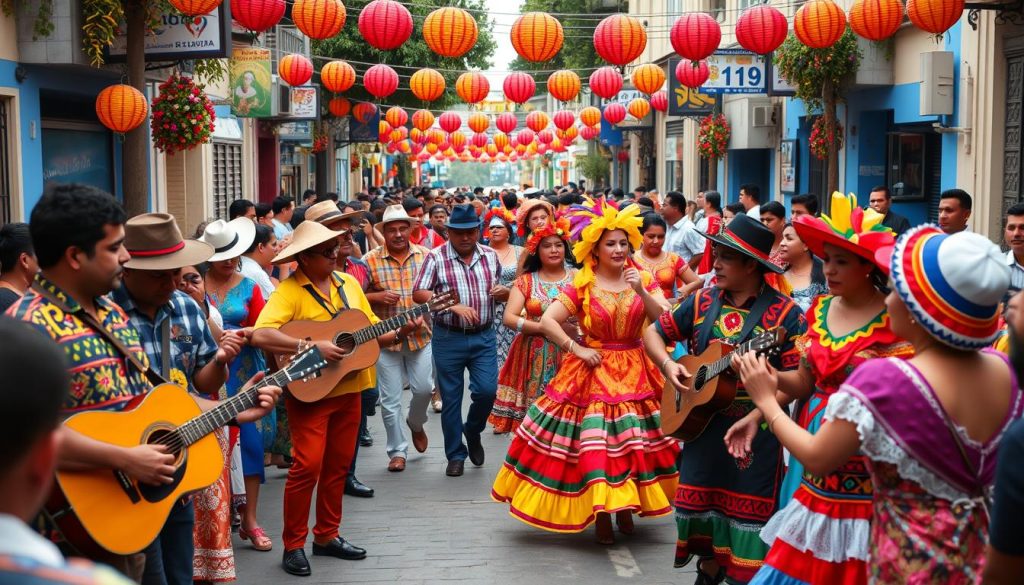
The Carnival of Barranquilla is a highlight of colombia culture. It happens every year before Lent, drawing millions from all over. You’ll see colorful costumes, lively music, and energetic dances that make it unforgettable.
Traditional Dance Forms
Colombia’s colombia history shines through in its dance traditions. Dive into the rhythm of Cumbia, a dance from the coast that mixes African, Indigenous, and Spanish styles. Also, experience Vallenato, a dance from the north known for its storytelling through music.
Religious Celebrations
Colombia’s religious festivals show its deep faith and cultural heritage. The Feast of the Immaculate Conception is a vibrant celebration with processions, music, and food. The Semana Santa (Holy Week) is also special, filled with rituals, sacred music, and devotion.
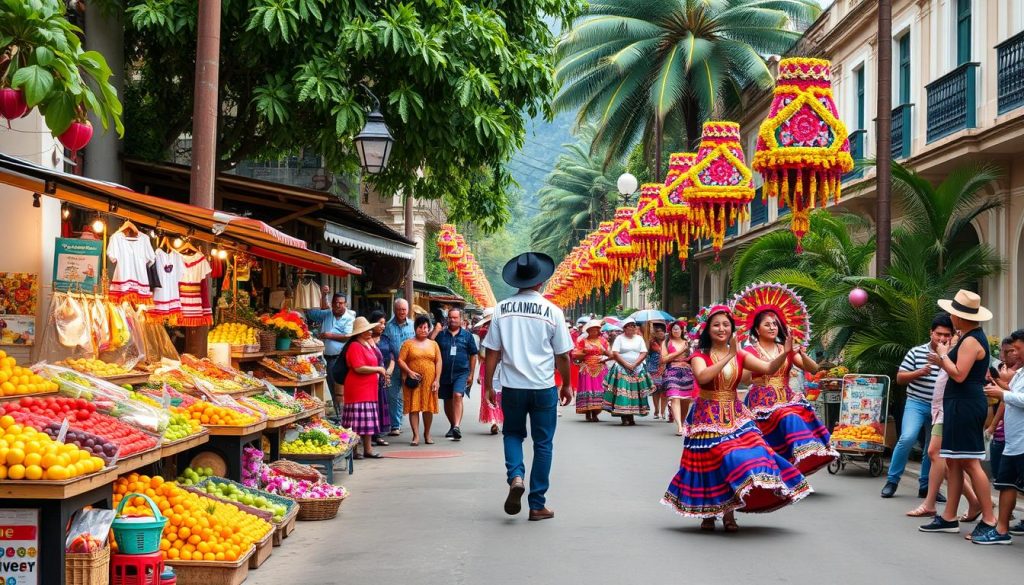
“Immersing yourself in Colombia’s cultural traditions and festivals is like stepping into a vibrant tapestry of history, faith, and joyous celebration.”
Transportation and Getting Around Colombia
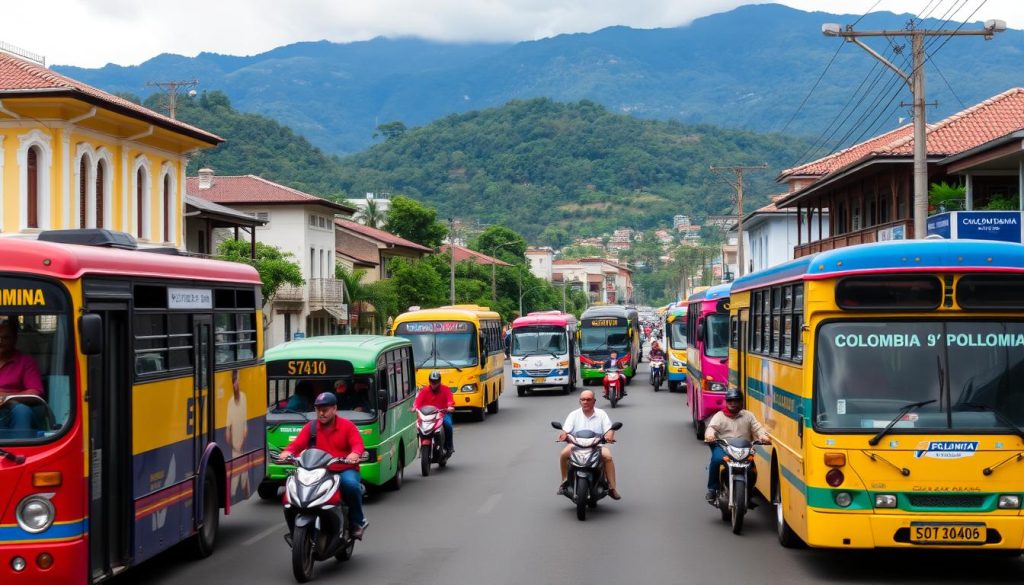
Exploring colombia means using different ways to travel. You might fly between cities or take buses through the countryside. Knowing how to get around is essential for a great colombia tourism trip.
Domestic Flights and Long-Distance Buses
Domestic flights are a top pick for traveling in colombia. Airlines like Avianca, LATAM, and Viva Air offer flights to major cities. They have good schedules and prices.
For those on a budget, colombia’s bus network is a great option. It has modern buses that cover the whole country.
City Metros and Colectivos
In cities, colombia has good public transport. Bogotá, Medellín, and Cali have metro and BRT systems. They make city travel easy.
The colectivo system is also popular. It’s like a shared minibus that follows set routes. It’s a great way to see local life up close.
The Rise of Cycling
- Cycling is becoming more popular in colombia. There are more bike-friendly areas and paths.
- There are bike lanes, cycle-sharing, and tours. You can explore colombia by bike.
- Cycling is a green way to see the country. It lets you dive into the culture and scenery.
Colombia offers many ways to travel. It invites you to explore and enjoy the journey. You can easily see the beauty of this amazing place.
Weather Patterns and Best Times to Visit
Colombia’s geography shows in its climate and weather. From the warm Caribbean coast to the cool Andean highlands, colombia tourism has something for everyone all year.
Regional Climate Variations
Along the colombia geography, you’ll find different climates:
- The Caribbean region has a warm, tropical climate all year, with temperatures between 75°F and 90°F.
- The Andes mountain range has a cooler climate, with temperatures sometimes below 50°F, especially at high elevations.
- The Amazon rainforest is very humid and rainy, especially from April to November.
- The desert of La Guajira Peninsula is dry and arid, with very little rain.
Seasonal Travel Tips
The best time to visit colombia tourism depends on what you like and where you want to go. Here are some tips for each season:
- Dry Season (December to March): Great for beach trips, with less rain and lower humidity.
- Rainy Season (April to November): Best for seeing the lush Andes and Amazon, but remember to bring rain gear.
- Coffee Harvest (October to December): Experience the coffee culture and see the coffee-picking in the coffee-growing areas.
| Region | Average Temperature | Rainfall | Best Time to Visit |
|---|---|---|---|
| Caribbean Coast | 75°F – 90°F | Low during dry season, high during rainy season | December to March |
| Andes Mountains | 50°F – 70°F | Moderate, with some variation by region | Year-round, depending on activities |
| Amazon Rainforest | 70°F – 90°F | High, especially during rainy season | June to August |
| La Guajira Desert | 80°F – 100°F | Very low | December to March |
“Colombia’s diverse climate and weather patterns offer something for every type of traveler, from sun-seekers to adventure enthusiasts.”
Colombian Music and Dance Heritage
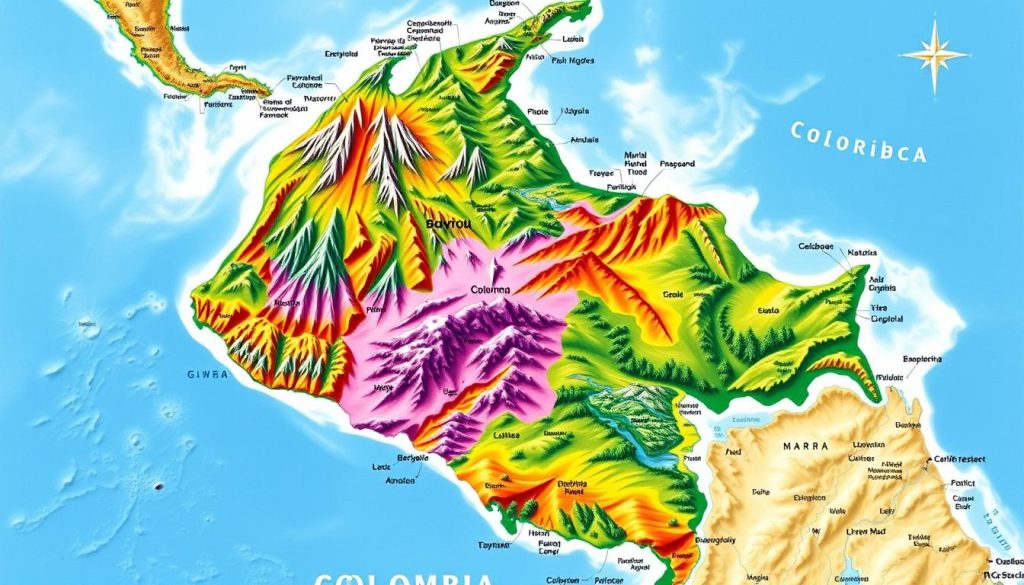
Dive into the world of Colombian music and dance. Here, rhythms and movements share the story of a rich cultural heritage. From Cumbia and Vallenato to Colombian pop and reggaeton, music connects the diverse regions and people of colombia culture.
Cumbia, with its African roots, symbolizes national identity. It’s known for its swaying hips and intricate footwork. Vallenato, from the coast, mixes Caribbean and Spanish sounds. It’s a lively, accordion-driven genre that reflects colombia history.
These traditional genres have stood the test of time. They’ve also inspired a new wave of Colombian artists. These artists blend their unique sound into the global music scene.
The Rhythmic Tapestry of Colombia
Colombian music is a mix of influences, shaped by the country’s diverse culture. From the Andean highlands to the Caribbean shores, each area adds its own musical flavor. This creates a rich and varied soundscape. Discover the captivating rhythms of:
- Cumbia: A mesmerizing dance from the coast, with African, Indigenous, and Spanish roots.
- Vallenato: A musical style that tells stories, featuring the accordion, caja drum, and guacharaca.
- Bambuco: A lively rhythm from the Andean region, often played with the tiple guitar and bandola lute.
- Currulao: A vibrant style from the Pacific coast, with African and Indigenous influences.
These musical traditions show the colombia culture. They also unite communities and celebrate colombia history.
“Music is the language of the soul, and in Colombia, it speaks volumes about our cultural identity and our shared history.”
– María Fernanda Rodríguez, renowned Colombian musicologist
Safety Tips and Travel Guidelines
Exploring Colombia is exciting but needs some caution. With the right tips, you can have a safe and fun trip. Here are the key safety tips and travel guidelines for a memorable journey.
Urban Safety Measures
In Colombia’s cities, stay alert and know your surroundings. Don’t show off expensive items or gadgets. Keep your valuables safe.
Choose well-lit, busy places at night. Use trusted taxis or rideshare apps for travel. Learn about the safest areas in each city you visit.
Rural Travel Considerations
Traveling to Colombia’s countryside is rewarding but needs extra care. Look up the places you’ll visit and talk to local guides. They can give you the latest safety info.
Don’t travel alone on remote roads. Watch the weather, as it can affect safety and access.
Emergency Resources
- Keep emergency numbers for police, fire, and ambulance handy.
- Save your embassy or consulate’s contact info and travel apps.
- Learn the local emergency procedures and how to get help.
Stay informed and take safety steps to enjoy Colombia fully. With some planning and caution, you’re set for a great and safe Colombian adventure.
| Safety Tip | Importance |
|---|---|
| Avoid flaunting valuable items | Reduces the risk of theft or mugging |
| Stick to well-lit, populated areas | Enhances personal safety in urban environments |
| Research local emergency contacts | Ensures you can quickly access help if needed |
| Consult with local guides for rural travel | Provides valuable insights and safety recommendations |
Currency and Money Matters
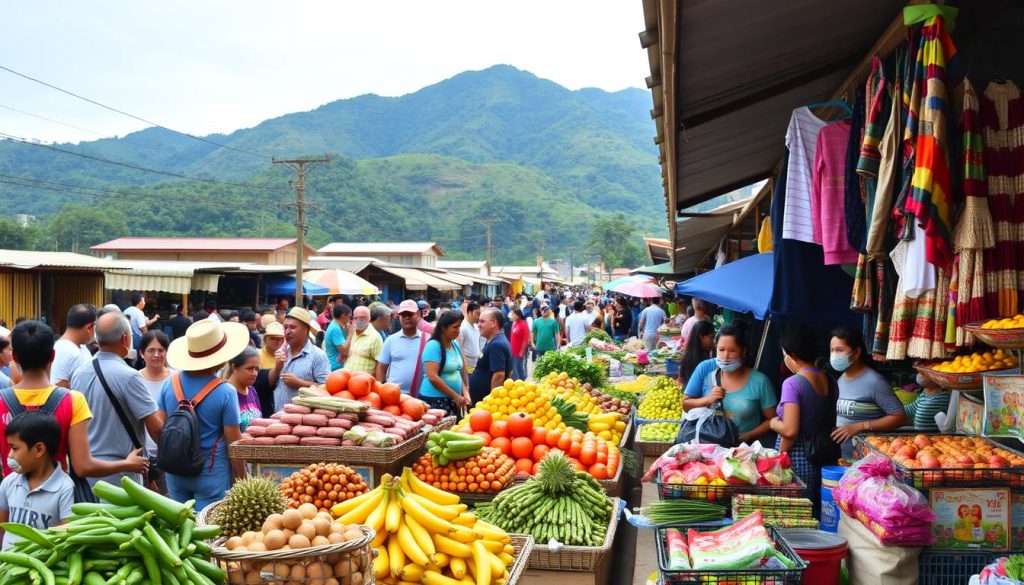
Understanding Colombia’s money can be easy with some basic knowledge. The Colombian Peso is the local currency. Its value changes compared to the US Dollar and Euro. Knowing exchange rates and payment options can make your trip smoother.
Colombia has many ATMs that take major cards. But, tell your bank about your trip to avoid card problems. Also, many places, like restaurants and shops, take cards. This makes buying things easy without lots of cash.
| Currency | Exchange Rate (as of June 2023) |
|---|---|
| Colombian Peso (COP) | 1 USD = 4,680 COP |
| Euro (EUR) | 1 EUR = 5,100 COP |
Tipping in Colombia depends on the service. Usually, 10% is expected at restaurants. Taxi drivers and tour guides like smaller tips. Colombia can be affordable, with good prices for places to stay, food, and travel. But, costs differ in different areas and cities.
- Check the current exchange rate before your trip to plan your budget accordingly.
- Carry a mix of cash and cards to have a backup option for payments.
- Be aware of the local tipping customs and adjust your budget accordingly.
Learning about Colombia’s money, payment options, and costs helps you enjoy the country more. You can dive into all the amazing things Colombia has to offer.
Historic Cartagena: A Colonial Gem
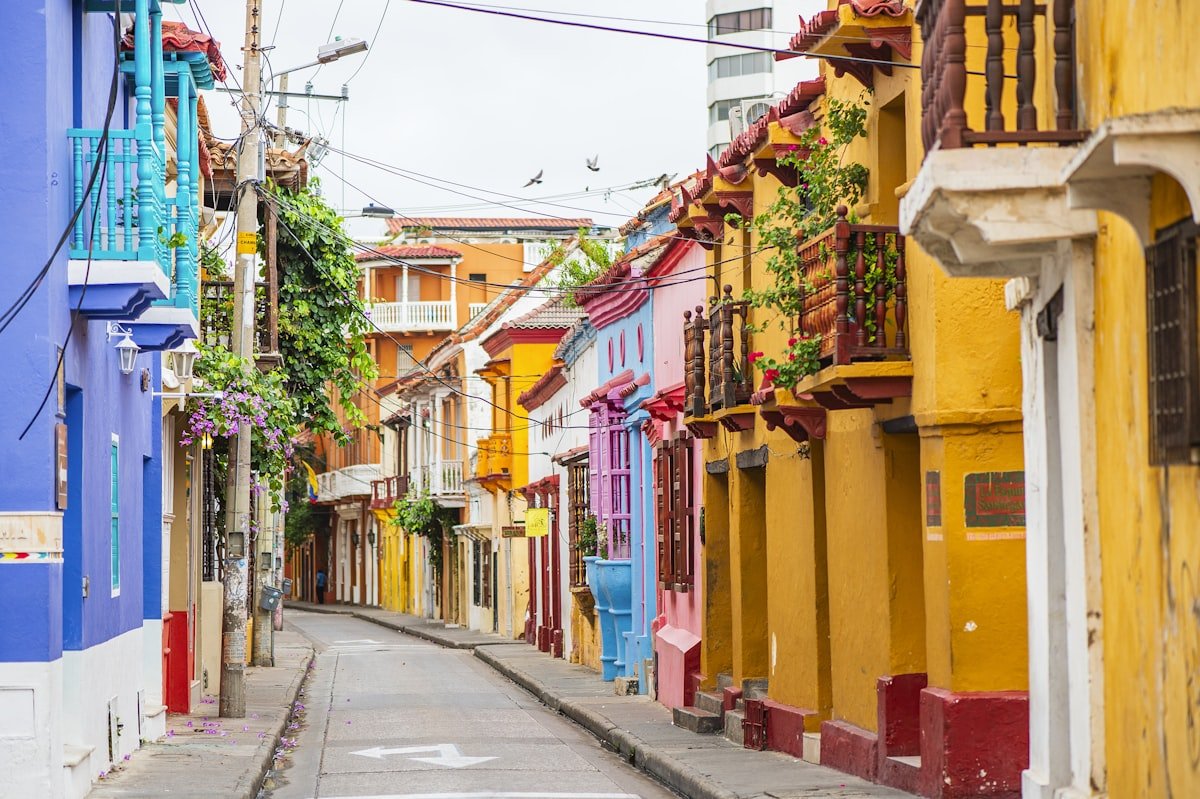
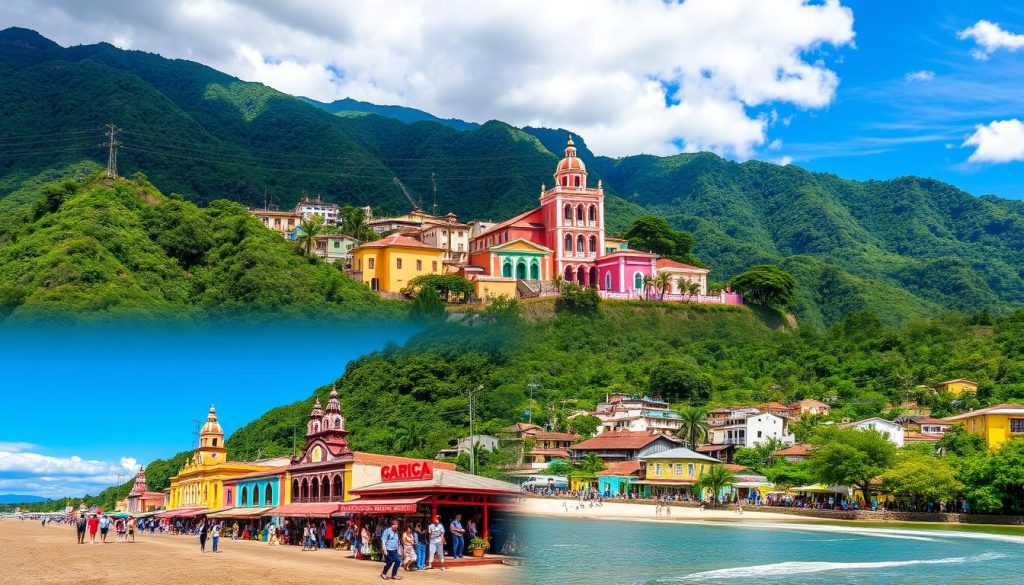
Cartagena sits on Colombia’s Caribbean coast, a true treasure of history and culture. Walking through this UNESCO World Heritage site feels like a trip back in time. The beautiful colonial buildings and strong fortifications take you to another era.
Architecture and Fortifications
The colonial buildings in Cartagena are stunning, with bright colors and detailed designs. The Castillo de San Marcos, a huge 17th-century fortress, stands as a symbol of the city’s past. The city’s plazas and streets, with their cobblestones, show off its rich history.
Visitors can see the amazing work in the city’s old churches, palaces, and homes. These buildings are a testament to the beauty that has lasted for centuries.
Cultural Significance
Cartagena is more than just beautiful buildings. It’s a city with a deep culture, vibrant art, and strong ties to Colombia’s past. Its role as a major port during the colonial era has shaped its unique culture. Influences from Spain, Africa, and the Caribbean blend here.
The city’s festivals, music, crafts, and food offer a rich cultural experience. Cartagena’s cultural scene draws visitors from all over the world.