So here are the things to do in Medellin that I’d actually tell a friend about, from someone who didn’t just pass through. In 2021, Medellín was my first city in Colombia and my first time in Latin America. I didn’t know anyone here, no one in Colombia. I didn’t speak Spanish. And it was for three months, not one week. All the people said that I am crazy.
The funny part is why I came. I was watching TV shows about Comuna 13, and naively I thought that was Colombia, or at least that was all of Medellín. Then I got here and I saw it was just one neighborhood. But that’s fine, that’s what brought me here, and I never regretted it.
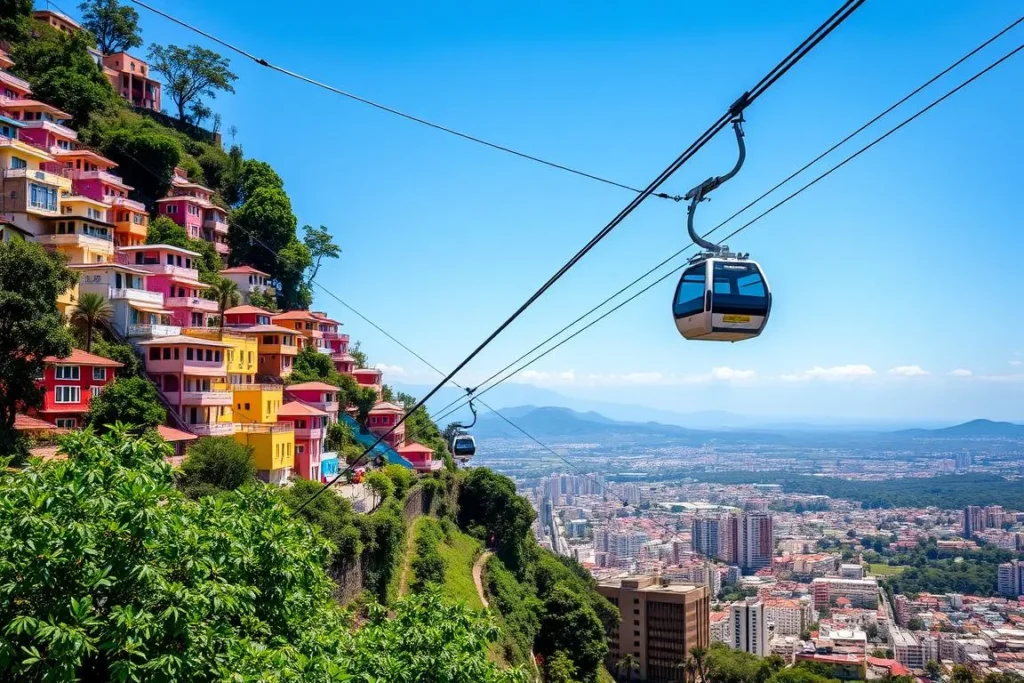
Basically, it was a fresh start for me. I wanted a place where I didn’t know anyone, with a different language, a way of relearning who I was. I decided on a whim, three months, and it was the best decision of my life. I went to school to learn Spanish, I worked from my laptop, and I discovered the city one weekend at a time.
So this is not a list of attractions copied from a brochure. Most of the 15 things below I did myself, and I’ll tell you what I liked, what was less fun and what it cost when I know it. A few I haven’t done yet, and I’ll say so clearly so you can tell the difference. Guatapé is in here too, even though, to be honest, it’s not really Medellín: it’s a day trip. I kept it because it’s one of my best days in Colombia.
One thing before we start: the prices in this guide come with a date or a source, because the peso has moved a lot since 2021, and I’ll come back to that at the end.
1. El Poblado, then Laureles: why I moved
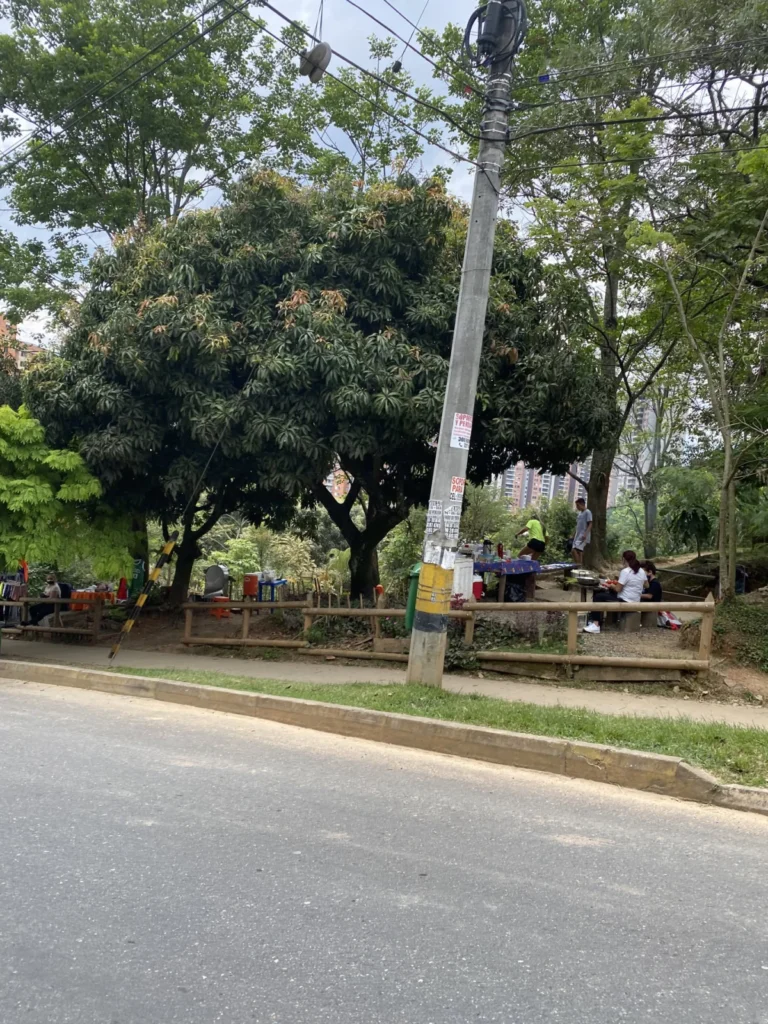
A street in Laureles, 2021.
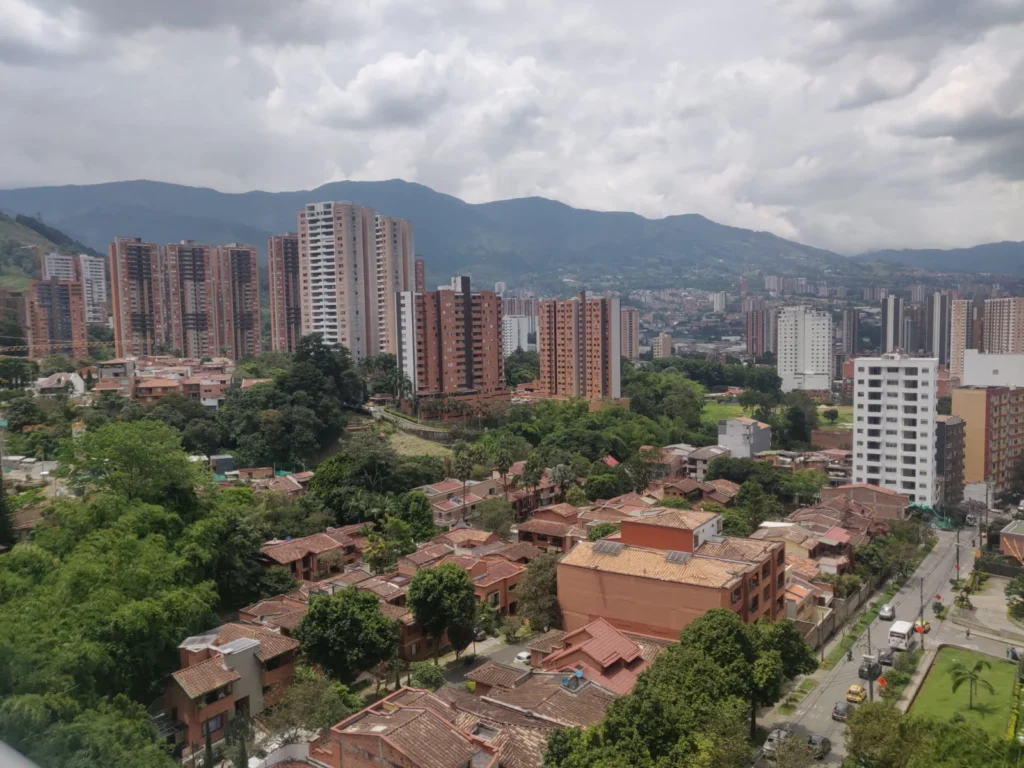
Medellín from above, 2022.
So the thing is, when you land in Medellín, you most likely going to end up in El Poblado, and that’s exactly what I did. I spent my first three weeks there.
El Poblado is the neighborhood where the majority of foreigners settle. And at the beginning it was good for me. New country, new neighborhood, new language, so it was reassuring to be in a place where I knew there would be other foreigners around.
But after that, I wanted to live the more local life, with other Colombians, to be closer to them. After three weeks, I felt comfortable enough to find an apartment in Laureles, and I stayed there for the rest of my three months.
Laureles is full of lights, full of food, full of discos. I’m from Montreal, so I’ll explain it like this: we have the Plateau Mont-Royal, rue Saint-Denis, rue Saint-Laurent. Laureles reminded me of that, but in Colombia.
My advice, and it’s just my path, not a rule: use El Poblado as training wheels. Stay there your first days or weeks while you find your bearings. Then, when you want the real life of the city, look at Laureles.
What’s less fun: El Poblado is the least Colombian part of the city, and the prices follow. If you came to Medellín to practice your Spanish, you can spend a week in Poblado and speak English the whole time. Laureles, on the other hand, asks a bit more of you, and that’s the point.
Price: it depends completely on the standing you’re looking for. I’m not going to throw rent numbers at you that I can’t stand behind. The logic is simple: for the same type of apartment or the same night out, El Poblado generally costs more than Laureles, because that’s where the foreign demand is.
How to choose (where to stay in Medellín):
| El Poblado | Laureles | |
|---|---|---|
| Who lives there | Most foreigners and visitors | Mostly Colombians, some foreigners |
| Good for | First days, landing softly, English is easy | Longer stays, local life, practicing Spanish |
| Night life | Parque Lleras, bars, rooftops | Local bars, restaurants, discos |
| Cost logic | Higher | Lower for the same thing |
| What I did | First three weeks | The rest of my three months |
Living there, not visiting
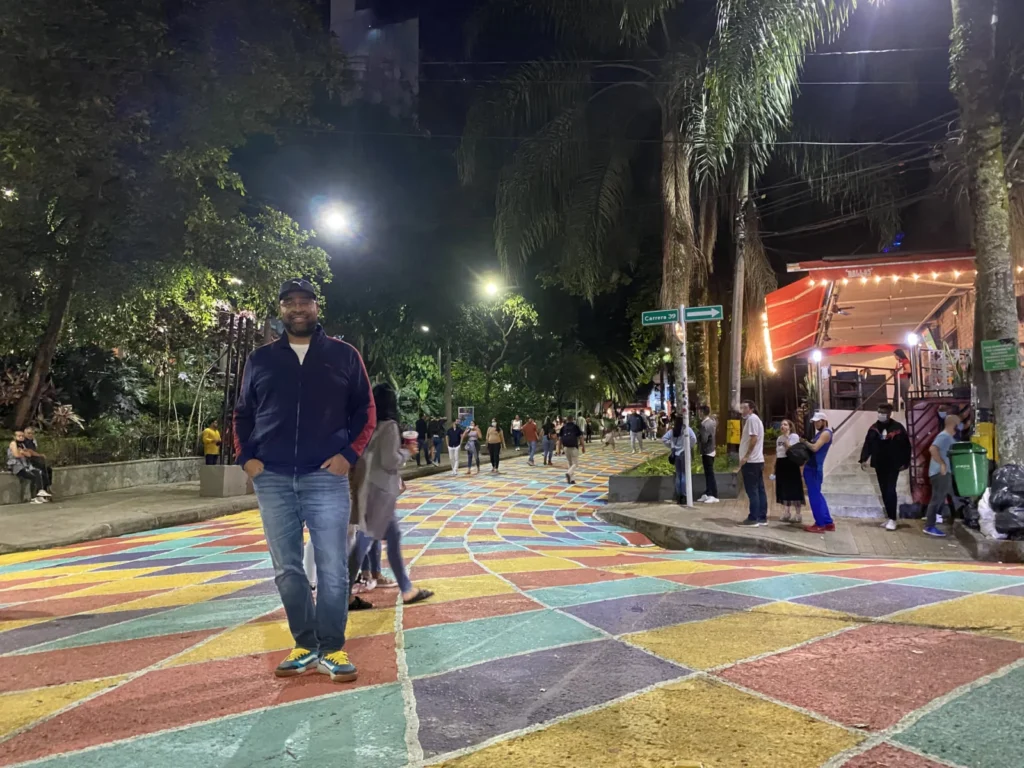
Me in Medellín, 2021.
I want to be clear about what my three months looked like, because it’s not the Instagram version. I wasn’t on vacation. I was living there.
Monday to Friday, I went to Spanish school. Then I worked on my computer, basically from 8 a.m. to 8 p.m., because my agency in Canada doesn’t stop just because I’m in Colombia. Normally I don’t eat breakfast, I just look at my phone. And at night, a lot of the time, I ordered on Rappi, the delivery app everybody uses here.
Then, every two weeks, I planned to go to another city, for two days. I would look for a hotel, take photos, and come back to my routine. That’s how I saw part of the country. And here’s the honest part: I thought three months would be plenty of time to visit all of Colombia. It wasn’t. I only did a few places, because I liked the ones I was in too much.
So I did the things on this list between classes and work, like a resident would. That’s why some aren’t tourist attractions at all.
If you want the full story of those three months, what it felt like arriving alone, I wrote about it here: Living in Medellín, Colombia for 3 months: my first experience.
What I’m missing for you: the name of the school and what it cost aren’t in my notes, so I’m not putting them here. If you’re thinking of doing the same thing, ask a few schools for their weekly price and class size before you commit.
2. Comuna 13
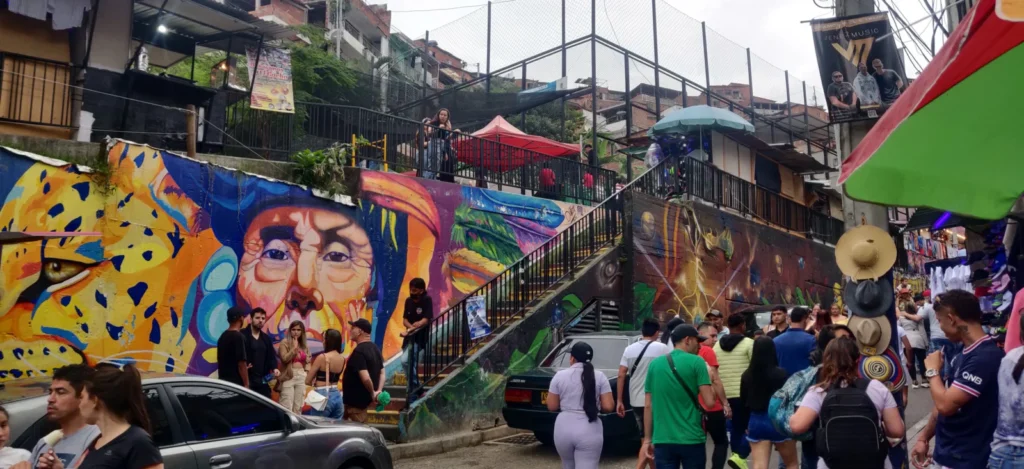
Comuna 13, 2022.
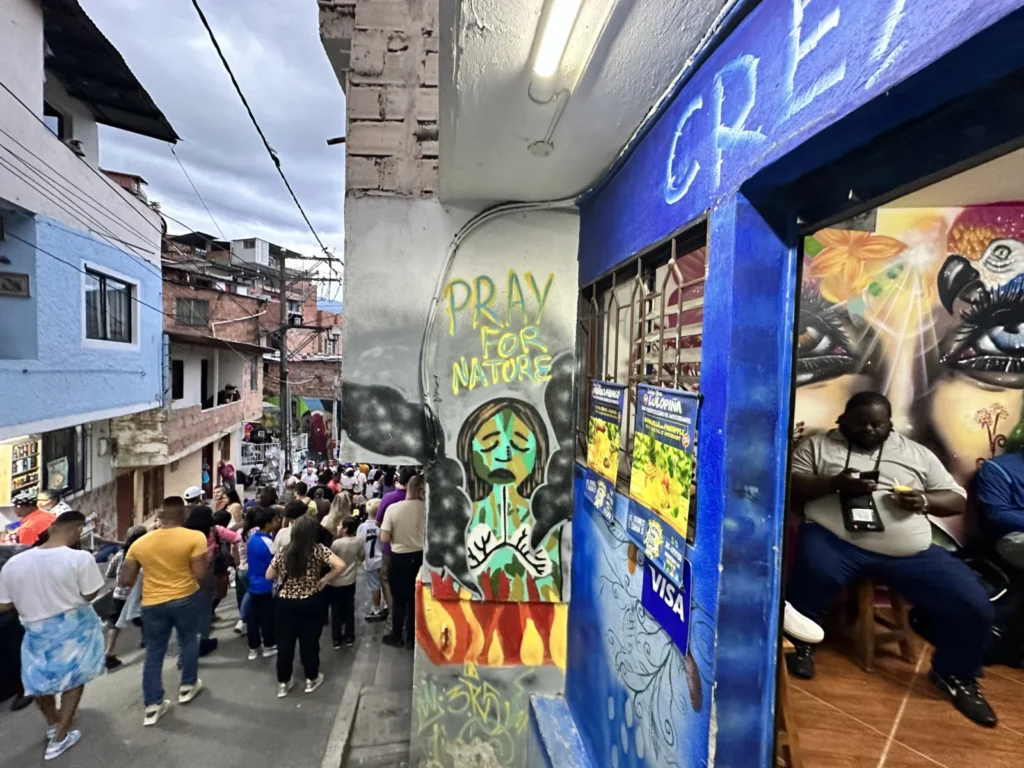
Comuna 13, 2022.
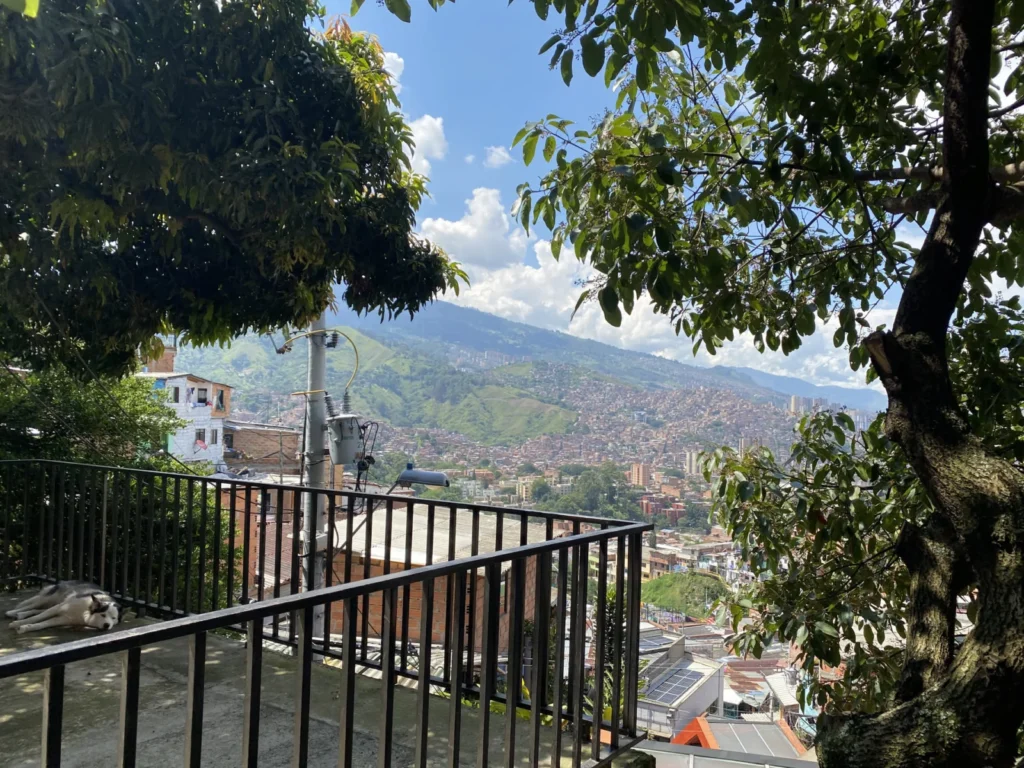
The view from Comuna 13.
This is the place that brought me to Colombia, so it’s a full circle for me to be standing there.
Comuna 13 was once known for violence. Today it’s an open-air gallery of murals and graffiti, and those artworks tell the community’s stories, their hopes and what they went through. What I remember: going up all the way to the top, the colors everywhere, and the music playing loud.
The TV shows made me think Comuna 13 was Medellín. It’s one neighborhood on one hillside. It deserves the visit, but it’s not the whole story.
What’s less fun: it’s the most famous spot in the city, so you won’t be alone. Expect groups, vendors and a lot of people taking the same photo.
Price: these are the guided tour prices listed in the previous version of this guide, in USD. Check the current price directly with the operator before you go:
| Tour Operator | Tour Duration | Price (USD) |
|---|---|---|
| Zippy Tour | 2 hours | $25 |
| Graffiti Tour Medellin | 3 hours | $30 |
| Comuna 13 Tours | 2.5 hours | $28 |
Tour or not: whether I went with a tour or on my own, and what I paid, isn’t in my notes, so I won’t make it up. What I can tell you is that a local guide gives you the history behind the walls, and that’s the part you can’t get from photos. If you take a tour, choose a company that works with people from the community.
Getting there: the Metro’s Line J cable car leaves from San Javier station, on the Comuna 13 side of the city (see the Metrocable table further down). Wear comfortable shoes, because even with the outdoor escalators the neighborhood is built on a hill.
3. El Centro and Plaza Botero
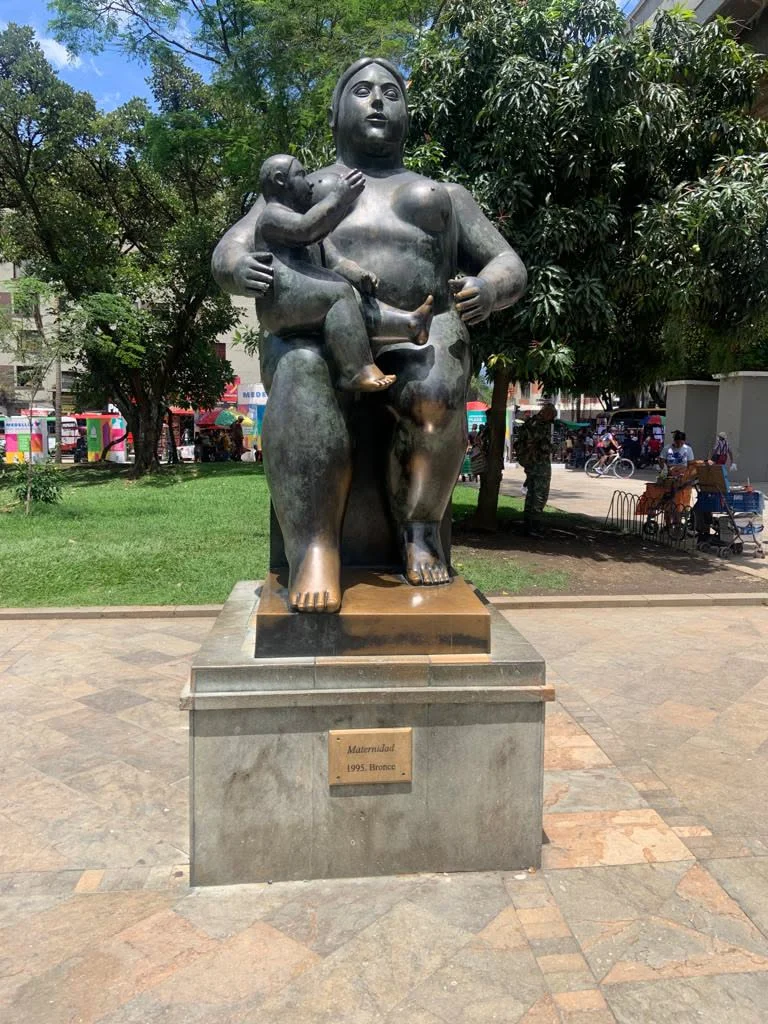
A Botero sculpture, Medellín, 2021.
Plaza Botero is right next to El Centro, so for me it’s the same outing. You go downtown, you walk, you end up in the plaza.
My first time in El Centro was an activity with my Spanish school, on my second weekend in Medellín I believe, with classmates, and it was really, really fun. We visited an exhibition about paisa tradition, the culture of Antioquia: the silletas from the Feria de las Flores, the hat, the carriel bag, the machete, the traditional costume. There were also panels with paisa expressions, and someone had to explain to me that one of them was basically a way of saying “calm down”. Then we hit a restaurant called Hacienda, and that’s where I ate my first bandeja paisa. My first Colombian dish ever.
Here’s that day on my channel:
(I was still a noob with the camera back then, so be nice.)
El Centro was a good experience overall. I saw museums, I saw life passing left and right, people working, selling, running. And I’ll be honest, the same way I’d say it to a friend: these are places where you have to be a little careful. Not scared, careful. Keep your phone in your pocket when you’re not using it, don’t flash valuables, and go during the day.
In the plaza itself, you’ll see Fernando Botero’s large bronze sculptures, with their round, oversized figures, including “Torso” and “Man on Horse”. Around the plaza are the Antioquia Museum (Museo de Antioquia) and the Rafael Uribe Uribe Palace of Culture, a Gothic-style building that hosts exhibitions, concerts and events.
| Attraction | Highlight |
|---|---|
| Plaza Botero | 23 bronze sculptures by Fernando Botero |
| Antioquia Museum | Extensive collection of Botero’s works |
| Rafael Uribe Uribe Palace of Culture | Gothic-style cultural center |
In Botero’s words:
“Art is a way of expressing oneself, and it should be shared with the public. That’s why I donate my work to museums and public spaces.”
– Fernando Botero
Price: Plaza Botero is free, it’s an open-air square. The museum has its own admission, check it on the museum’s site before you go.
Getting there: the Metro takes you downtown; the plaza is in the center, steps from the museum.
4. The Metrocable up to Parque Arvi
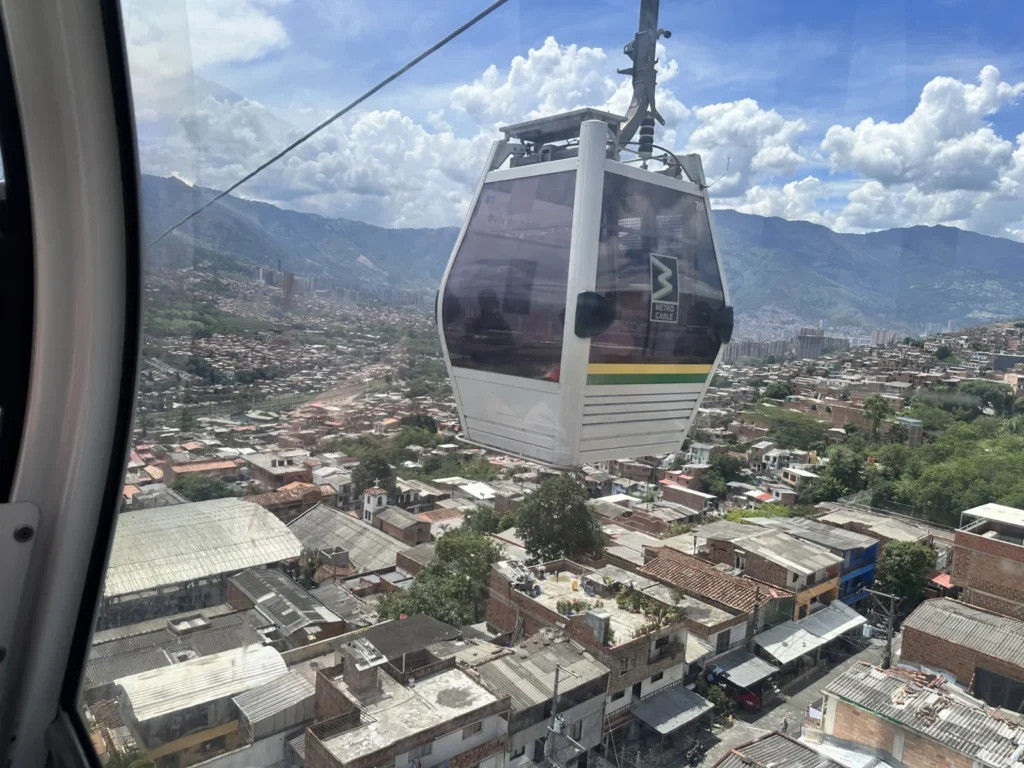
The Metrocable, 2023.
The Metrocable is the way to get to Parque Arví, so for me it’s one trip, not two attractions. And here’s the thing people miss: the Metrocable is not a ride built for tourists. It’s public transport. It connects the hillside neighborhoods to the Metro, and you ride with people going to work. That’s what shows you how people live.
You’re suspended above the city. For those who are scared of heights, yes, it’s something. But at the same time it’s beautiful, especially at the end of the day, when the light changes over the valley. If you can time it, go up in the late afternoon.
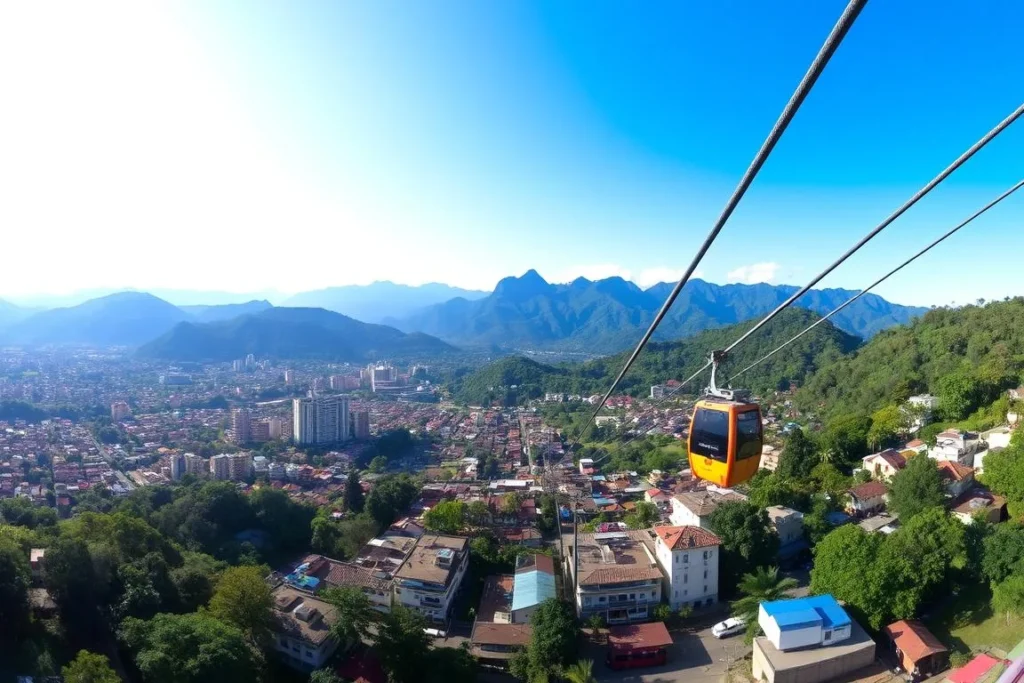
| Metrocable Line | Route | Key Attractions |
|---|---|---|
| Line K | Acevedo Station to Santo Domingo | Parque Biblioteca España, Comuna 1 and 2 |
| Line J | San Javier Station to La Aurora | Comuna 13, Street art and graffiti |
| Line L | Santo Domingo Station to Parque Arvi | Parque Arvi ecological reserve |
So to reach Arví, you take Line K up to Santo Domingo, then Line L to the park. On Line K, in Santo Domingo, you also pass the Parque Biblioteca España, a library designed by architect Giancarlo Mazzanti that became a symbol of how the city invested in its hillside neighborhoods, with reading rooms, computer labs and workshops.
Then Parque Arví. It’s a big nature reserve just outside the city, and it was another really good experience for me, a lot of things to see. One detail worth knowing: the park is much higher than the city, so it’s cooler up there. Bring a layer.
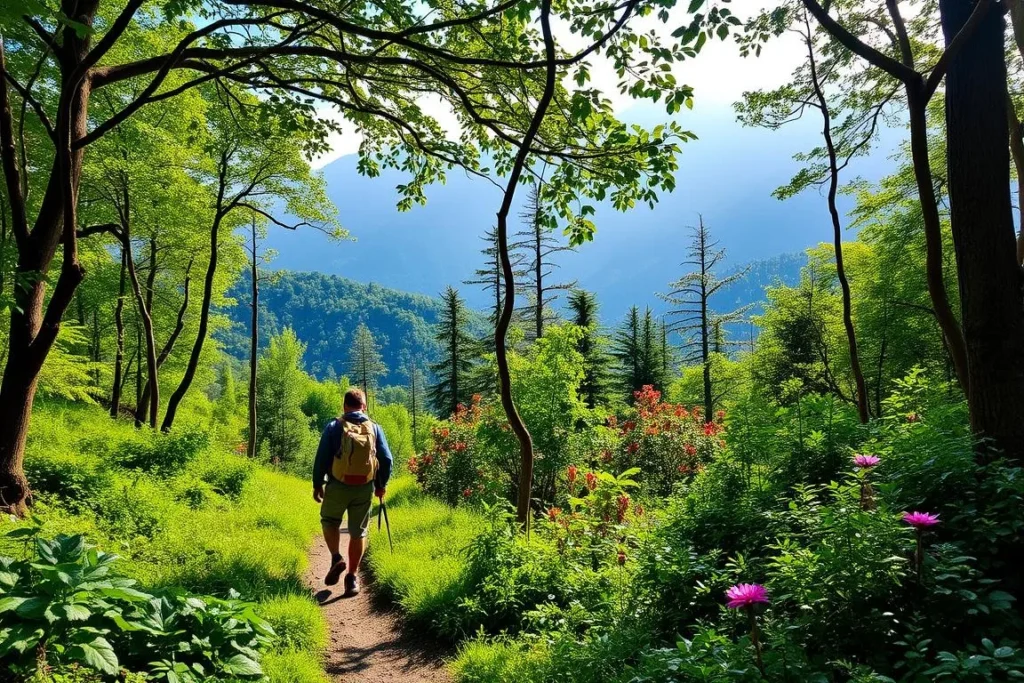
The park has trails through forest and meadows, and it’s in the area of the Silleteros, the flower farmers who build the “silletas”, the floral arrangements carried in the Feria de las Flores parade. Activities commonly listed for the park:
| Activity | Duration | Difficulty |
|---|---|---|
| Hiking Trails | 1-4 hours | Easy to Moderate |
| Silleteros Workshops | 2 hours | Easy |
| Bird Watching | 1-2 hours | Easy |
What’s less fun: if you’re afraid of heights, the cable car over the hillsides is a real test.
Price: what I paid for the ride in 2021 isn’t in my notes. It’s a public transport fare, so it’s cheap, but check the current fare on the Metro de Medellín site, and the park activities on the Parque Arví site, since some have their own fee.
5. Cerro de las Tres Cruces
If you only read one section of this article, read this one.
Cerro de las Tres Cruces is a hill in the city that people climb as a habit, not as a tourist activity. And that’s what blew my mind. For the paisas, the people of Medellín, it’s a way of life. Fourteen years old, eighteen years old, seventy years old, they go up the mountain with no problem.
And me? I was in my forties, and I felt like I was doing a full workout. I was exhausted at the end. Meanwhile people passed me going up like it was nothing. I’m not going to pretend I was the athlete in that story.
It’s an incredible physical effort, and that’s why I love it: you’re not watching the city, you’re doing what the city does.
What’s less fun: it’s steep and it’s hard. If you’re not used to it, take it slow, bring water, and don’t try to keep up with the seventy-year-old.
Price: free. It’s a public hill.
Best time: locals mostly go early in the morning, before the heat, and that’s the time I’d recommend.
What I’m missing for you: where exactly I started, how long the climb took me and what time I went aren’t in my notes, so ask your host or someone in your neighborhood for the usual starting point. They’ll know.
6. Guatape and El Penol
Let’s be honest from the start: Guatapé is not really Medellín. It’s a day trip, a town outside the city. But I’m keeping it in this list because it’s one of the days I remember best.
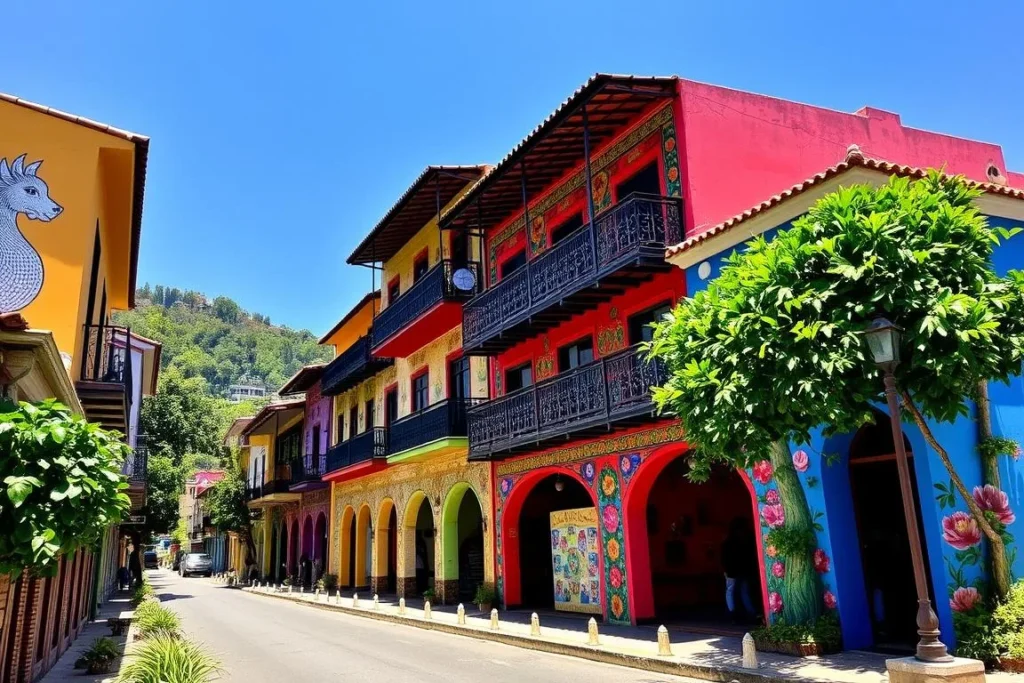
We drove there by car, with a driver, through Marinilla. On the way we stopped for breakfast in a village: aguapanela, hot chocolate, a typical dish warmed up, and a little cheese-and-flour thing I still can’t name. And at one point I played a song in the car and everybody started singing. That’s the kind of moment you can’t plan.
Then you get there, and you see the lake with those plunging views, a lot of history, and the rock. I climbed El Peñol. In my head it was more than 600 steps; the number usually given is 740. At the top, there’s a plaque honoring Luis Eduardo Villegas López, presented as the first person to set foot on the summit. Someone was telling me a whole story about how the rock got its stairs, two brothers, an inheritance, gold. The version I heard was confusing, so I won’t sell it to you as history.
Here’s the climb on my channel:
| Difficulty Level | Steps to the Top | Approximate Climb Time |
|---|---|---|
| Moderate | 740 | 30-45 minutes |
After the rock, we took a private boat on the reservoir. The guide explained that the dam belongs to Empresas Públicas de Medellín and produces hydroelectricity, and he pointed at properties he said once belonged to cartel figures and are now rented for tourism. That’s his story, not mine, so take it as such. Me, I was on that boat saying “I’m living life right now.” Because the last five years before that trip, I was numb. I felt like my life wasn’t going anywhere, and I made the bold decision to go to a place where I didn’t know anyone.
Here’s that boat ride on my channel:
In town, the streets are famous for their brightly painted buildings and their zócalos, the decorated panels at the bottom of the facades showing scenes from daily life and nature. There are local shops, handmade crafts and souvenirs.
What’s less fun: it was very hot, the parking was completely full, and our driver was negotiating his commission with a restaurant and the boat dock. Street hustlers come at you offering lunch (lentils with plantains, tilapia). And the price for the private boat made the whole group go “how?”. I’m not printing that number until I confirm what it covered.
Price: the entrance fee for the rock and the round-trip transport cost aren’t in my notes. Check them before you go, and agree on the price with any driver before you leave.
And Jardín? It’s another town outside Medellín, not Guatapé, and a different trip. I mention it because, for people who love nature, it’s absolutely paradise.
7. Attend a football game
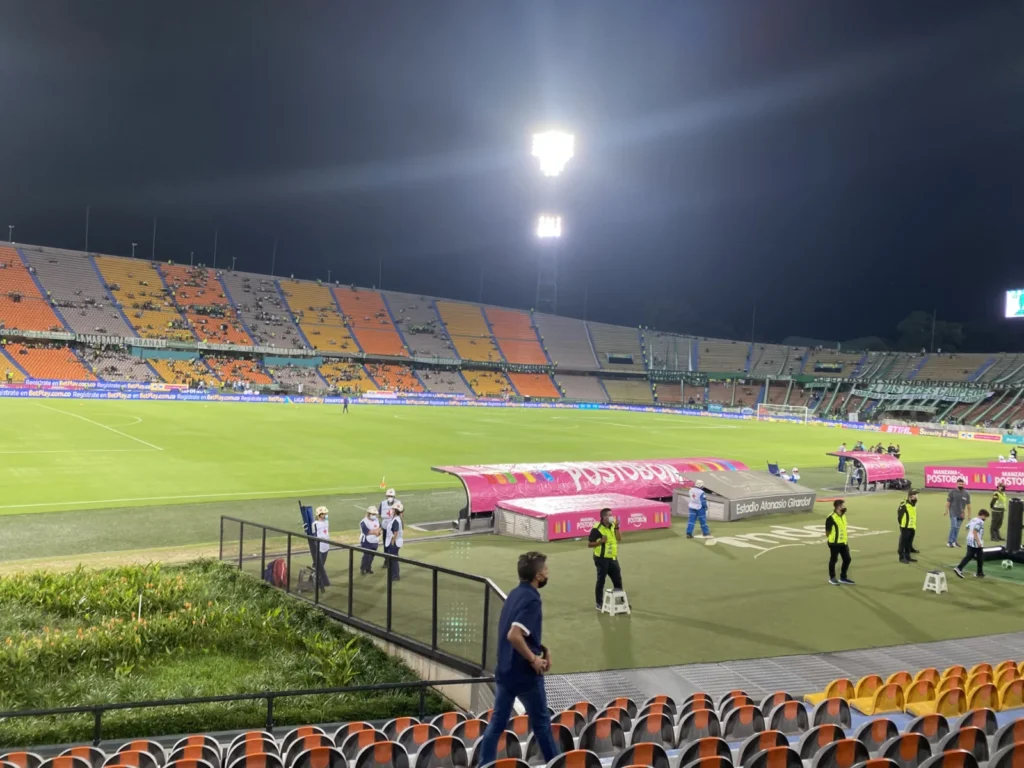
At the stadium, November 2021.
This one is not in most Medellín guides, and it should be.
I’ve been to basketball games, hockey games, baseball games. I’m Canadian, hockey is serious business at home. But the atmosphere at a football game in South America, there’s not much that can top that. That’s something I could never live in Canada, not like that.
Medellín has two big clubs, Atlético Nacional and Independiente Medellín, and both play at the Estadio Atanasio Girardot. Which club I saw and what I paid aren’t in my notes, so I’ll let you check the schedule and the ticket price for your dates.
What’s less fun: it’s intense. Big crowds, a lot of passion, and it’s not the place to wear the wrong colors in the wrong section. Ask a local which section to buy and what to wear.
Price: buy your ticket through the club’s official channels and check the price for your match, since it changes with the game.
My advice: if you have the chance, do it. Really.
8. Parque Lleras
When I lived in El Poblado, Parque Lleras was the neighborhood’s night life, and you have to go at night. That’s when the colors come out, the lights are all on, and the bars, clubs and restaurants fill up. It’s something.
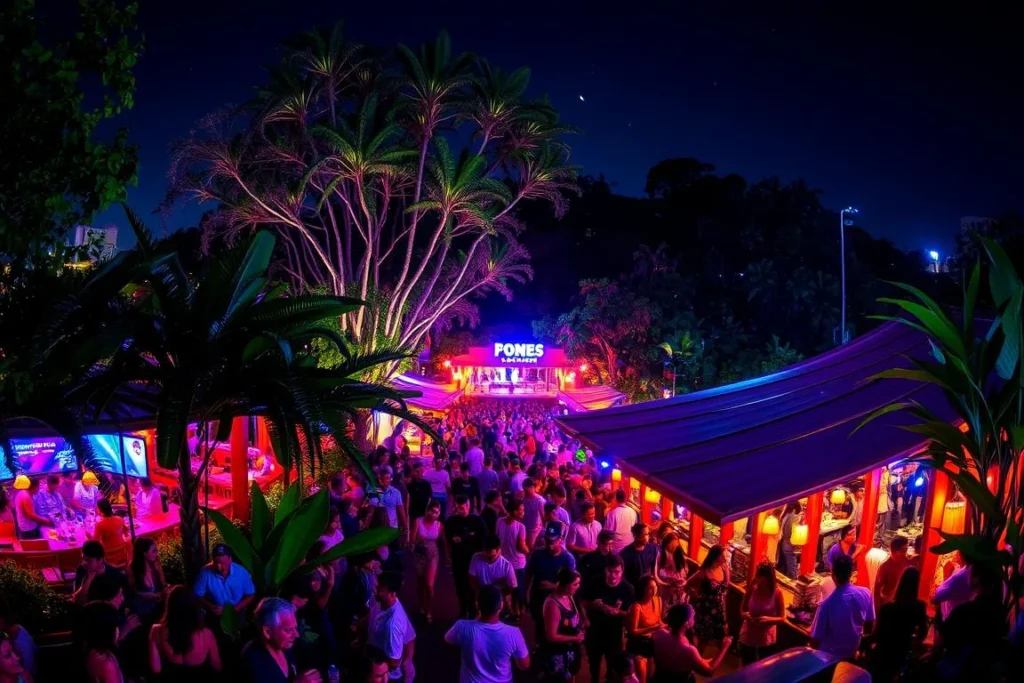
You can dance to salsa, reggaeton or electronic music, or just have a drink. These are spots commonly listed around Parque Lleras (check that they’re still open, bars change fast):
| Bar/Club | Music Genre | Atmosphere |
|---|---|---|
| La Kasa | Electronic, Hip-Hop | Trendy, Upscale |
| Calle 9+1 | Salsa, Reggaeton | Lively, Authentic |
| Babylon | Reggae, Latin | Relaxed, Bohemian |
| Bendito Seas | Latin, International | Chic, Sophisticated |
What’s less fun: it’s the least Colombian part of the city, and the prices follow. It’s full of foreigners, and that’s also part of why I left for Laureles. Go see it, but don’t think it’s the Medellín night life. It’s one version of it.
Price: it’s all up to the customer. A beer at Parque Lleras isn’t expensive; a high-end restaurant is going to be a different story. Decide your budget for the night before you go, not after the third round.
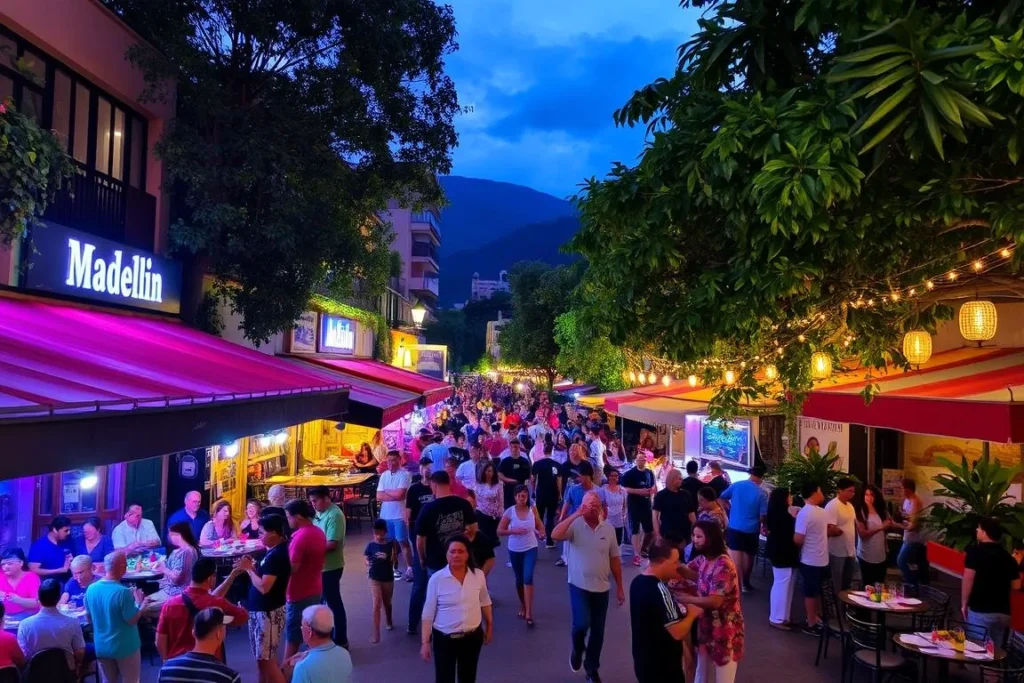
9. A local salsa club
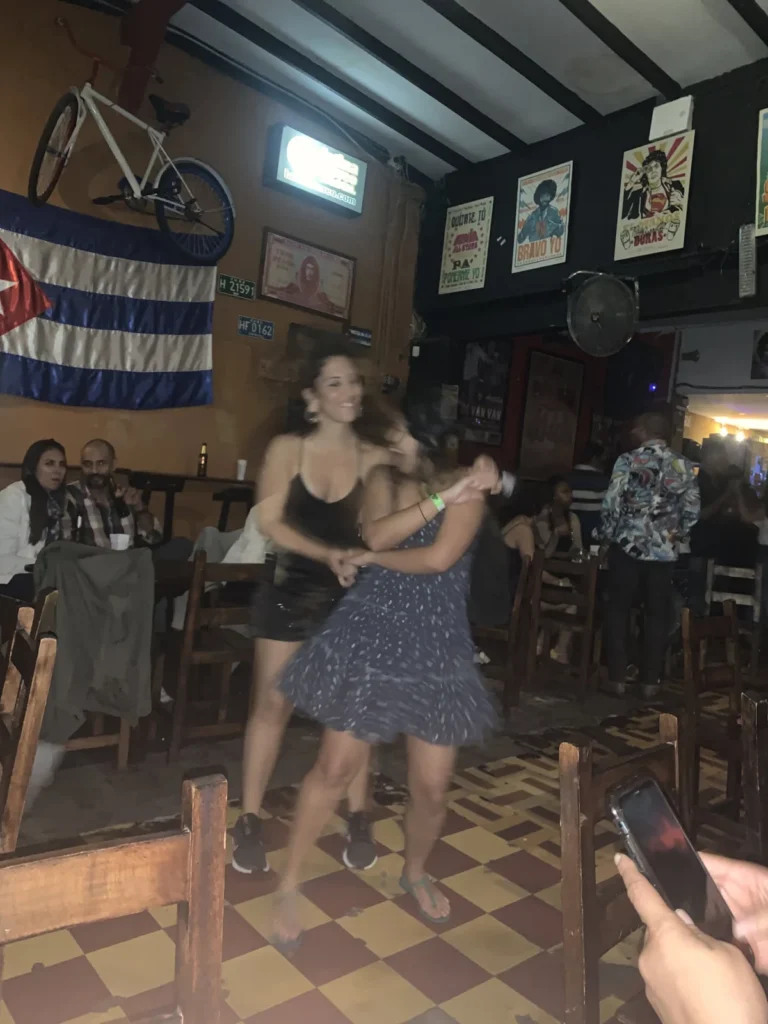
A local salsa club, November 2021.
I arrived without Spanish and without knowing how to dance. Funny thing, both get fixed in the same rooms.
I went to a local salsa club, a place for Colombians, not a show. That’s the experience I’d recommend over any rooftop: you watch, you try, you fail, you try again. The club’s name and neighborhood aren’t in my notes, so I’ll leave you the names that come up most for classes instead.
If you want a class before you go out, places often recommended for beginners in Medellín include:
- DanceFree
- Santo Baile
- Salsa Classes Medellin
- Son Havana Dance School
What’s less fun: if you don’t dance, the first hour is long. Take a class first, even one, and the night changes completely.
Price: it depends on the night. Entry is sometimes free, and what you spend depends on what you drink. No single number here.
10. Tejo
Tejo is Colombia’s national sport, and yes, it involves throwing a heavy metal puck at a target with little packets of gunpowder that explode when you hit them. I played it in Medellín, and it deserves its own story, so I wrote one: A night out in Medellín playing Colombia’s national sport, tejo.
It’s the most Colombian night out on this list: loud, social, played in a group, usually while you drink, which explains a lot about the accuracy as the night goes on.
What’s less fun: the explosions surprise you the first time and the first throws rarely land.
Price: it varies, since the game is often played while ordering drinks. The details of my night are in the dedicated article.
11. Plantain, my way in
My favorite food in life is plantain. I trade meat for plantain. So in Colombia, I’m at home.
You need to know three words: verde, pintón and maduro. Verde is the green plantain, hard and starchy, the one that becomes patacones, flattened and fried. Maduro is ripe, sweet, almost caramel when it’s fried. Pintón is in between. Each one is a different food.
And here’s the comparison only I can make for you: the Colombian patacón is our bannann peze in Haiti. Same idea, smashed and fried. But in Haiti it’s spicier, and we eat it with pikliz, a spicy pickled cabbage. If you’re Haitian and you’re reading this, you’ll find your plantain in Medellín, just without the pikliz.
My first Colombian dish was that bandeja paisa in El Centro, with my school. Since then I also love mondongo and another Medellín soup. And the fresh juices: lulo, orange squeezed in the streets of Laureles, lime. That’s my real pleasure.
What’s less fun: the food is heavy. A lot of starch, not many vegetables, even though there are vegetables everywhere in the markets, at least in what I’ve known. On El Peñol, someone even joked that Colombians don’t like vegetables. I’m not saying it’s true, I’m saying I laughed because I recognized it.
Also worth your time
One day trip I did that isn’t on the list below: Jardín, a coffee town in Antioquia. We went up to a coffee plantation, and they brought us back down on horseback. There’s a waterfall not far from town too.
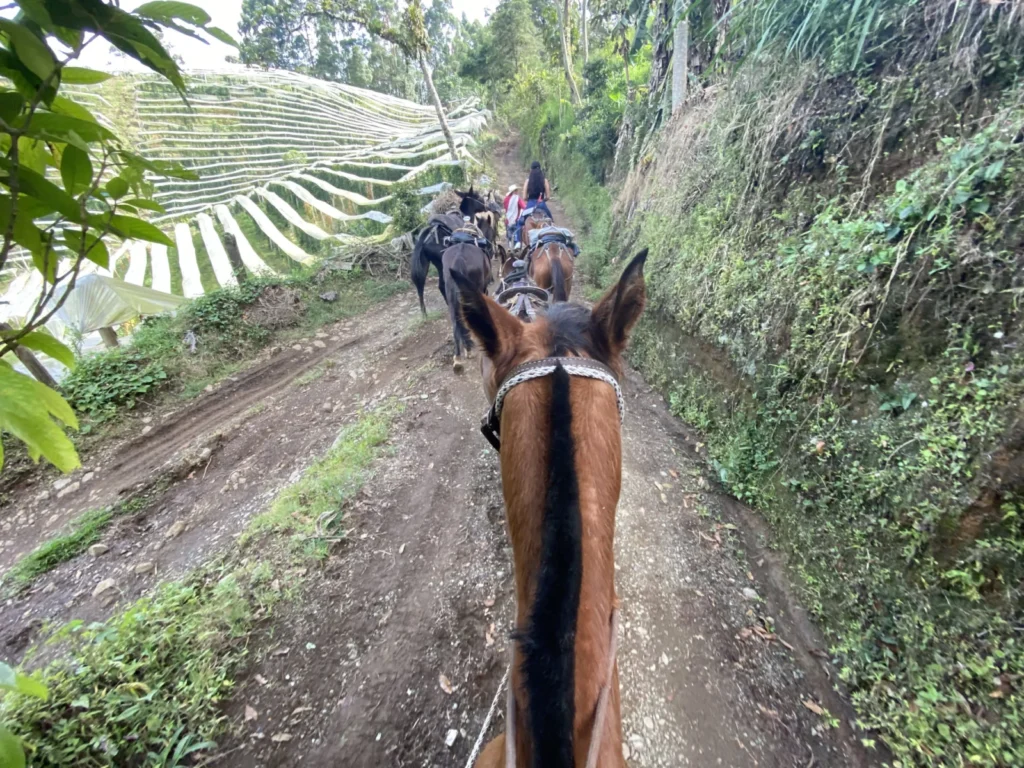
Riding down from the coffee plantation, Jardín, 2022.
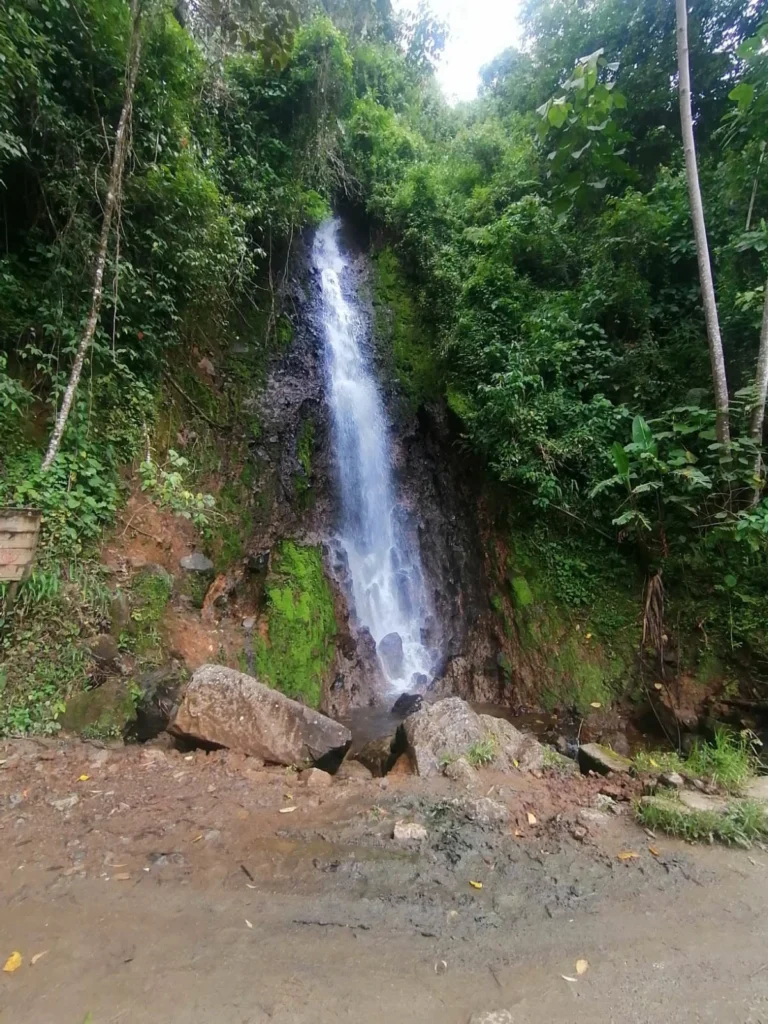
A waterfall near Jardín.
These four are on my list, not on my record. I haven’t done them, so here’s what’s reported, without me pretending I was there.
12. Jardín Botánico de Medellín
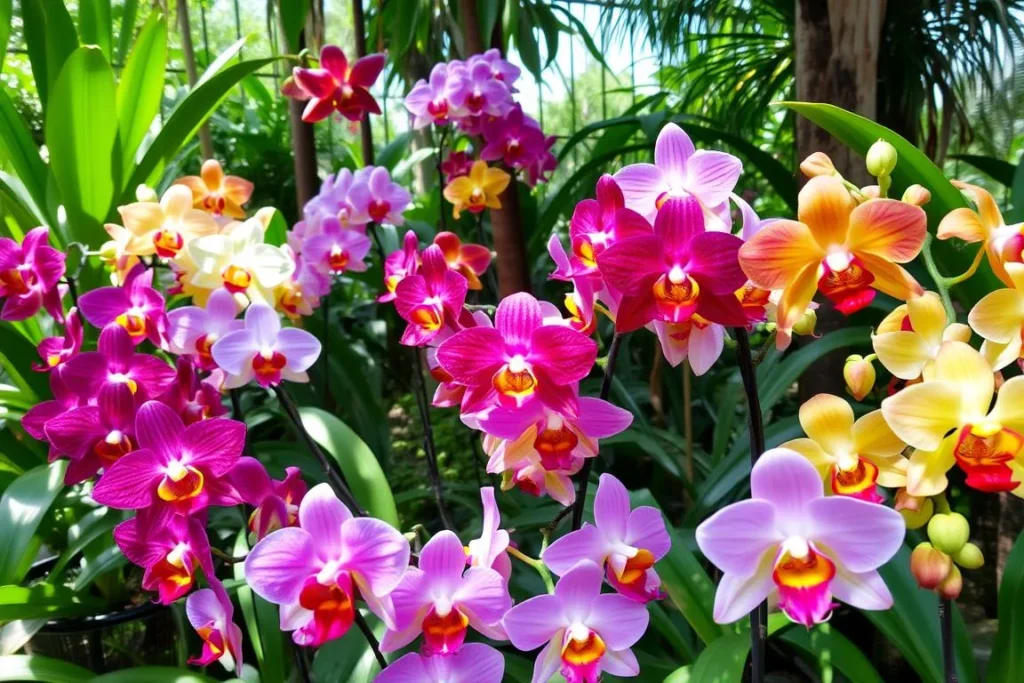
The botanical garden is a 14-hectare green space in the city, with plants from around the world: palm trees, exotic flowers, medicinal plants. Its orchid collection is presented as the highlight, with more than 4,500 species in a pavilion with the right climate for them, including rare and endangered species. There are lawns and shaded areas for a picnic, plus tours, workshops and educational programs (check the events calendar on the Jardín Botánico site).
Prices listed in the previous version of this guide (USD, verify before going):
| Activity | Duration | Price |
|---|---|---|
| Guided Garden Tour | 1 hour | $10 |
| Orchid Pavilion Visit | 30 minutes | $5 |
| Picnic Area Rental | Half day | $20 |
13. Mercado del Rio and El Poblado’s shops
El Poblado is also the shopping neighborhood: boutiques, designer stores, clothing, accessories and home decor. Mercado del Rio is a food market where visitors also look for crafts: handwoven baskets and bags in natural fibers, mochilas (the traditional Colombian shoulder bags), pottery and ceramics, and wooden sculptures of local wildlife.
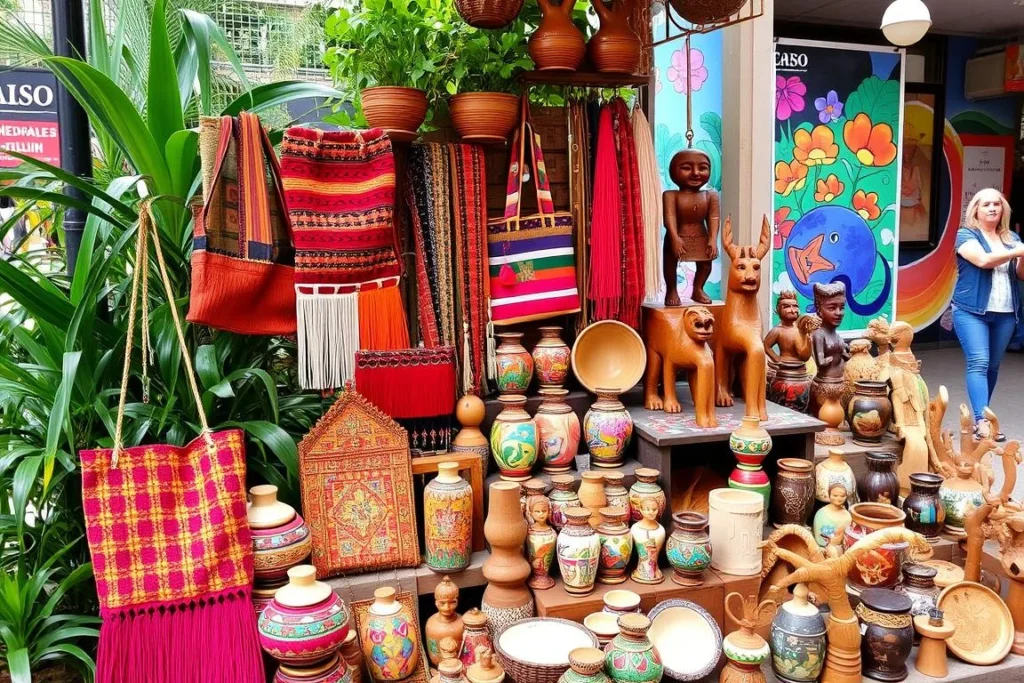
Price ranges reported for craft stalls (USD, verify on site):
| Stall Name | Specialty | Price Range |
|---|---|---|
| Artesanías de Colombia | Handwoven textiles and accessories | $10 – $50 |
| Cerámica del Río | Handcrafted pottery and ceramics | $15 – $100 |
| Talla en Madera | Wooden sculptures and figurines | $20 – $150 |
Talk to the artisans: they usually like to explain where a piece comes from.
14. Specialty coffee
Colombia is coffee country, and Medellín has a specialty coffee scene with tastings where you learn about growing regions and brewing methods. Cafés often mentioned:
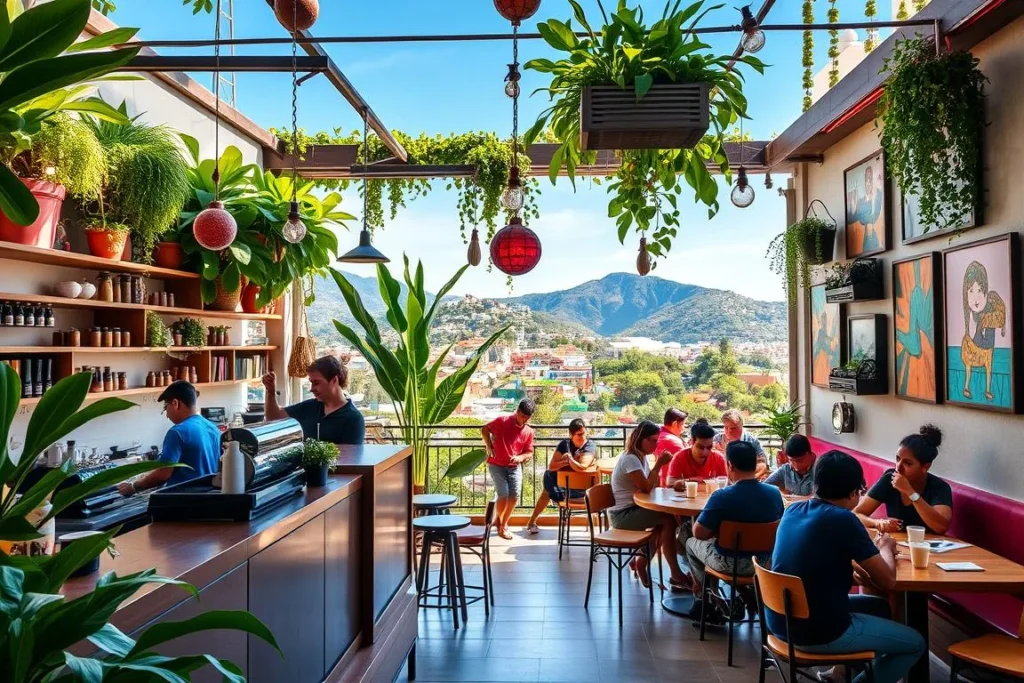
| Coffee Shop | Specialty | Must-Try |
|---|---|---|
| Pergamino Café | Single-origin coffees | Pour-over |
| Urbania Café | Artisanal roasts | Chemex |
| Velvet Coffee Roasters | Experimental blends | Cold brew |
15. Rooftop bars in El Poblado
And if you want a drink with a view after dancing, these rooftops are often listed:
| Bar Name | Location | Signature Cocktail |
|---|---|---|
| Envy Rooftop | The Charlee Hotel | Medellin Mule |
| Alambique | Poblado | Lulo Mojito |
| Lucia Restaurant | Hotel Estelar Milla de Oro | Guaro Sour |
What it costs now vs when I came
This is the part nobody else writes, because most guides count in US dollars and only know one year. I count in Canadian dollars, and I’ve been coming back for five years.
In 2021, when I arrived, 1 Canadian dollar was worth about 3,100 to 3,300 Colombian pesos. Today, in 2026, it’s around 2,100. It feels like 2 for 1, when before it was more than 3 for 1. The peso got stronger, and that means Medellín is much less inviting than before for people who stay for long periods, like me. Even at the market, some prices can look like Canadian prices now.
So, to answer the question people actually ask, “how much is $20 in Medellín?”, here’s the simple math with my two dated rates:
| You exchange | In 2021 (about 3,100–3,300 COP per CAD) | In 2026 (about 2,100 COP per CAD) |
|---|---|---|
| 20 CAD | about 62,000–66,000 COP | about 42,000 COP |
| 50 CAD | about 155,000–165,000 COP | about 105,000 COP |
| 100 CAD | about 310,000–330,000 COP | about 210,000 COP |
Same 20 dollars, roughly a third fewer pesos in your pocket. If you’re American, do the same calculation with the US dollar rate of the day.
Important: these are my rates, dated. Check the exchange rate of the day before you plan your budget, because a rate without a date gets old very fast.
What hasn’t changed: a lot of what I loved is free or almost free. Plaza Botero, Cerro de las Tres Cruces, Laureles at night, the Metrocable for a transit fare. It’s just not the deal it was in 2021, so if an older blog post promises you luxury for nothing, check its date.
What I would do differently
Five years later, I keep coming back to Colombia. I’ve visited several places, but I’m still missing a lot that I want to see. That’s the premise of this list: some places I lived, others are still on my list, and I’d rather tell you which is which.
If I had to do my three months again, I would know one thing from day one: you will not see the whole country. I thought I had time. I only did a few places, because I liked the ones I was in too much. So I’d choose fewer cities and accept it, instead of feeling behind.
I’d also go to Medellín with the right expectation. I came for Comuna 13 because of TV. Comuna 13 is one neighborhood. The Medellín I remember is Laureles at night, the hill I climbed while seventy-year-olds passed me, the boat in Guatapé where I said “I’m living life right now.”
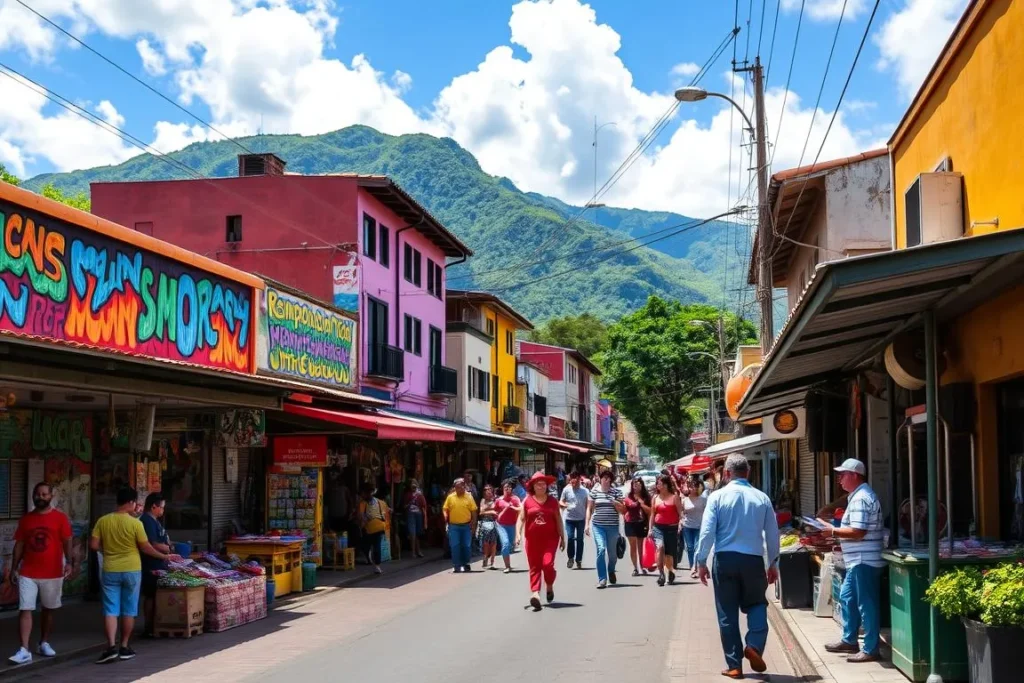
If you’re planning your days, here’s a rough idea of time per experience:
| Experience | Highlights | Estimated Time |
|---|---|---|
| Comuna 13 Street Art Tour | Murals, the community’s stories | 2-3 hours |
| Guatape Day Trip | Colorful town, El Peñol Rock | Full day |
| Plaza Botero & Museums | Botero sculptures, cultural insights | 2-3 hours |
| Metrocable & Parque Arvi | City views, nature trails | Half day |
| Coffee Shop Hopping | Café culture, local roasts | 2-3 hours |
And talk to people: street vendors, the people next to you in the Metrocable, your neighbors in Laureles.
FAQ
What is a must do in Medellin?
If I had to pick one, climb Cerro de las Tres Cruces in the morning with the locals. If you want the classic, it’s Comuna 13. And if you have a full day, Guatapé and El Peñol, even if it’s outside the city.
What is Medellin best known for?
Its spring-like weather, the Metro and Metrocable, Comuna 13’s transformation, Botero’s sculptures, the paisa culture, and the Feria de las Flores with the Silleteros.
Is Medellin, Colombia worth visiting?
For me, yes. It was my first city in Latin America, I stayed three months, and it was the best decision of my life. Just know it’s less cheap than it was in 2021 (see the cost section).
How much is $20 in Medellin?
In 2026, 20 Canadian dollars is about 42,000 COP, at around 2,100 pesos per dollar. In 2021 it was about 62,000 to 66,000 COP. Check the rate of the day.
Is El Poblado or Laureles better to stay in?
El Poblado to land softly, with other foreigners around. Laureles if you want local life. I did three weeks in Poblado, then moved to Laureles for the rest of my stay.
Is Medellin safe for tourists?
Many travelers visit Medellín today, but stay cautious and aware of your surroundings. Some areas, like parts of El Centro, ask you to be a little careful. Don’t show off valuables, keep your phone put away, and use official taxis or ride-hailing apps at night.
How many days do you need in Medellin?
At least 3 to 4 days to see the main sights. For Guatapé or the coffee region, plan a week or more.
What is the best time of year to visit Medellin?
Medellín has a pleasant climate all year, with temperatures between 64°F and 82°F. The dry season runs from December to February and from July to August. Even in the rainy season, mornings are often sunny, and afternoon showers keep the city green.
What is the best way to get around Medellin?
The Metro, Metrocable and buses cover most of the city. Taxis and ride-hailing apps are also cheap and easy to find.
Do I need to speak Spanish to visit Medellin?
No, I arrived with zero. Many people speak English in tourist areas like El Poblado, but learning basic phrases shows respect and makes everything easier.
What are some must-try dishes in Medellin?
Bandeja paisa, arepas and sancocho. I’d add mondongo, patacones, and the fresh juices, especially lulo. And the coffee, of course.
What is the best way to experience Comuna 13?
With a local guide, who will give you the history behind the murals. Choose a company that supports the community. See the tour prices in the Comuna 13 section.
Is it worth taking a day trip to Guatape?
Yes. Climbing El Peñol and walking the colorful streets is worth the day. Just leave early, agree on the price with your driver, and expect the parking to be full.